

























































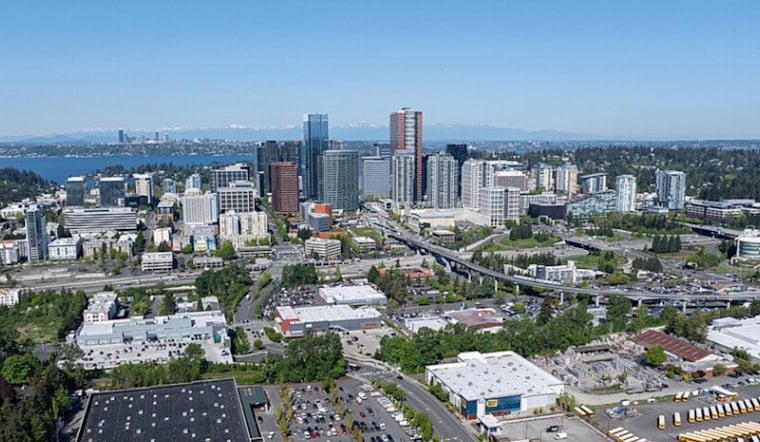
Bellevue’s spring housing season is getting unusually spicy as tech hiring and Eastside office moves shove more buyers into a handful of neighborhood hotspots. Fresh first-quarter sales data shows several Bellevue ZIP codes among the Seattle metro’s fastest-moving markets, with the Bel-Red corridor, Crossroads and Wilburton logging quicker price gains. That shift matters for local shoppers because these pockets typically start below downtown Bellevue prices, which keeps them within reach for younger buyers and incoming tech workers. Local agents say the combination of new office activity and better transit is quietly redrawing buyers’ mental maps of where to look.
According to an analysis by the Puget Sound Business Journal, multiple Bellevue ZIP codes landed on the Seattle metro’s list of “hottest” ZIPs in the first quarter of 2026. The report called out Bel-Red, Crossroads and Wilburton as submarkets that “appreciated faster,” in part because they still offer more attainable entry prices compared with pricier core areas.
Tech hiring is bringing buyers closer to work
Commercial real estate numbers help explain the shift. The Colliers Q1 Eastside Office Market Report shows positive net absorption across the Eastside and notes Microsoft re-occupying space in Redmond while Amazon and several AI-focused firms expanded, which has tightened available office capacity. Brokers say that kind of corporate activity is pushing more employees to hunt for homes near campuses and satellite offices, steering buyers toward neighborhoods that split the difference between convenience and somewhat lower price tags.
Prices and inventory: split signals
Market trackers paint a picture of an Eastside that is busy but uneven. Redfin puts Bellevue’s overall median sale price near $1.5 million, with the median single-family home around $1.82 million and condos hovering in the mid $500,000s. At the same time, the first-quarter Eastside market report from Windermere, sourced to NWMLS, shows an Eastside-wide median near $1.525 million, a sharp jump in new listings in Q1 and roughly half of homes still selling within 10 days. That mix is giving buyers more choices on paper, but it also keeps the heat on well-priced homes in the specific pockets where demand is concentrated.
Transit and cheaper entry points are reshaping choices
Transit upgrades have been another quiet force in the reshuffle. Sound Transit’s 2 Line starter segment opened in April 2024, adding stations through parts of Bellevue and smoothing commutes into areas such as Bel-Red and Wilburton. Local agents say that improved access, paired with lower starting prices in those spots, helps explain why more buyers are willing to look past downtown Bellevue and jump into bidding wars in formerly quieter neighborhoods.
For buyers and sellers, the lesson plays out at the neighborhood level. Broad Eastside averages can hide smaller pockets where tech-driven demand and light-rail access are speeding up sales. The data points to a segmented 2026 market in which ultra-high-end enclaves behave one way, while more attainable areas like Bel-Red, Crossroads and Wilburton follow a different script.



