

























































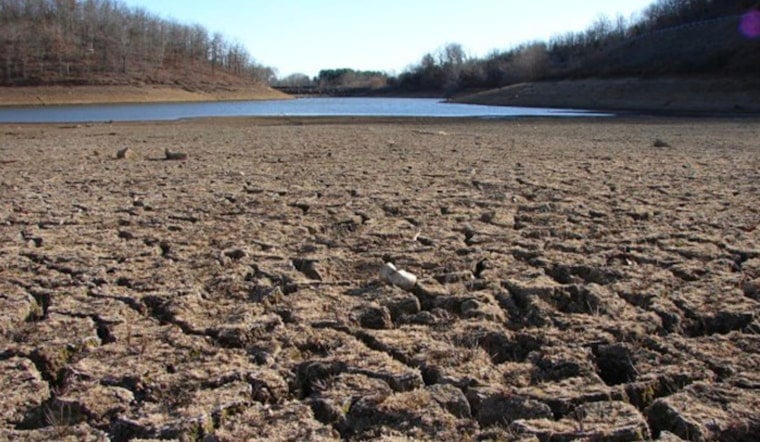
Dry weather is clamping down across the New York–New Jersey–Connecticut region, with water levels slipping, grass losing its green and some crops starting to feel the strain. Local managers and federal analysts say the story is widening: rivers, streams and reservoirs around the tri-state are running lower than normal, and calls for conservation are popping up in more places. With summer on deck and limited rain in the forecast, officials are urging residents to ease up on nonessential water use now, before things get tighter.
What the maps show
The latest weekly map from the U.S. Drought Monitor shows much of the tri-state sitting under some level of drought. As reported by News12, that picture includes pockets of moderate to severe drought in parts of the region, especially central and southern New Jersey, while the Catskills and northern Connecticut are flagged as abnormally dry.
Where it is worst
New Jersey officials are staying on high alert. The state remains under a water-supply drought warning from the New Jersey Department of Environmental Protection, which notes that reservoir and well levels are running well below normal for this point in the year. Across the line in Connecticut, observations track closely with the map: CT Insider reports roughly a quarter of the state in moderate drought and widespread abnormal dryness elsewhere, with agricultural and landscaping impacts already being reported.
Water supplies under stress
Federal stream gauges are telling a similar story. Many sites across the region are showing low flows, and USGS WaterWatch highlights multiple areas with below-normal streamflow that water managers are watching closely. City agencies, meanwhile, are pointing to tighter margins in reservoir storage and are ramping up leak-detection work as one of the fastest ways to stretch the supply already in the system.
What officials are asking residents to do
Officials are pushing simple, familiar conservation moves: keep showers short, hold off on nonessential lawn and garden watering, fix drippy faucets and do not let opened hydrants run. Guidance from NJDEP notes that letting lawns go dormant and hand-watering ornamentals can significantly cut demand on shared supplies. New York City's Department of Environmental Protection is distributing leak-detection tips and asking residents to call 311 to report open hydrants and major leaks.
Short-term outlook
Forecasters expect little measurable rain from next Tuesday through next Saturday, a dry stretch that could deepen existing deficits if it holds, as noted by News12. NOAA's Climate Prediction Center also flags a warming trend and a developing El Niño that could influence summer precipitation patterns across the Northeast.




