

























































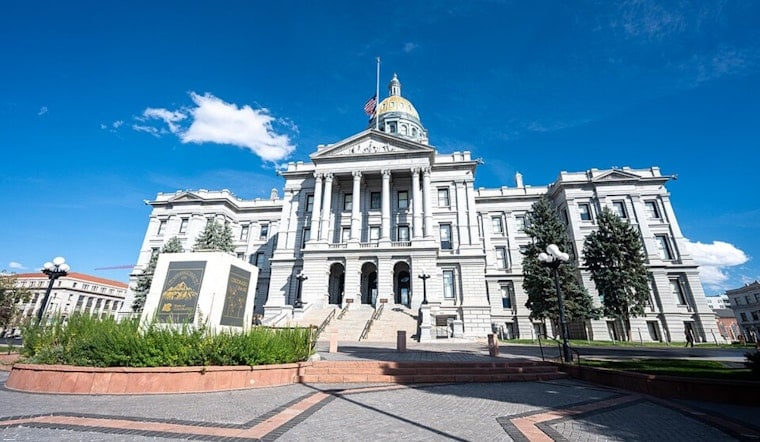
Colorado's budget writers just got a little breathing room. State forecasters say the books are now expected to close this fiscal year with a $116 million surplus, a modest improvement that softens but does not undo the painful cuts lawmakers approved earlier this year. The message under the fine print: the short-term relief is real, but the long-term squeeze is still very much on.
What the forecast actually shows
According to the Legislative Council Staff June economic and revenue forecast, Colorado is on track to finish the fiscal year on June 30 with a $116 million surplus, and the new outlook trims the size of next year's projected shortfall. Even so, the report says lawmakers would still need roughly $315 million in additional cuts to rebuild state reserves to 15% of general fund spending. Keeping reserves at the current 13% level would allow them to avoid immediate new reductions. Forecasters describe the improvement as a one-time reprieve, not a sign that the state's finances have structurally recovered.
Forecasters call it 'Goldilocks' but warn it is fragile
Legislative economists characterized the new projection as a kind of "best case" scenario. Greg Sobetski, the legislature's chief economist, told budget writers he was nicknaming it "the Goldilocks forecast." As reported by The Colorado Sun, state officials also warned that rising health-care costs and the possibility of federal cuts could quickly wipe out the gains. Mark Ferrandino, director of the governor’s Office of State Planning and Budgeting, said the forecast will be a major part of the conversation heading into the next legislative session.
TABOR refunds are back, but smaller than pandemic years
The same forecast shows that TABOR refunds are set to return, although at levels well below the pandemic-era surge. Lawmakers are expecting about $330 million in refunds in the budget year that starts July 1 and roughly $521 million the year after that. Under the forecast, the first $200 million would cover a homestead property tax break for seniors, with around $120 million going out as sales tax refunds. Because TABOR requires those refunds, lawmakers cannot redirect that money to fill ongoing budget gaps, even as programs and services continue to feel the strain.
Deep cuts have already been made
In May, Governor Jared Polis signed a budget that closed about a $1.5 billion shortfall, according to Colorado Public Radio. State agencies are now living with those reductions. The scramble to balance the books left slimmer spending lines and fewer one-time tools to bring back cut programs. For many departments, the extra dollars in this new forecast will not automatically translate into rehired staff or restored services.
On the ground: jobs, household stress and Medicaid
For Colorado workers and families, the economic picture in the forecast is decidedly mixed. Healthcare and social services employers added roughly 18,000 jobs between April 2025 and April 2026, while the federal workforce in the state shrank by about 6,000 positions. Forecasters also warned that financial pressure on households is building, with credit-card delinquencies climbing toward levels last seen during the Great Recession. Medicaid provider reimbursement will be held flat in next year's budget, meaning many providers will not see an inflationary increase. Those details, along with the governor’s office estimate of about a 40% chance of a recession, were reported by The Colorado Sun.
What lawmakers decide to do with the small surplus will frame the next legislative session. They can use it to bolster reserves against a possible downturn or try to patch back some of the services that were cut, but they cannot fully do both without new revenue. The Joint Budget Committee will confront that tradeoff this fall as it begins work on the 2027-28 budget.





.jpg)