

























































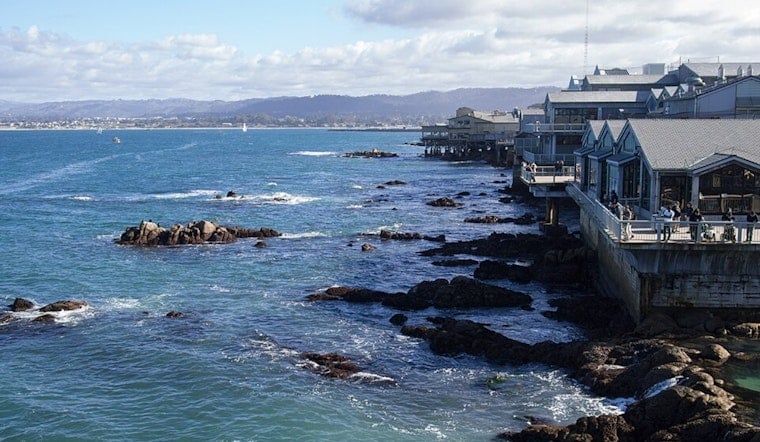
Last Friday, state wildlife and public health officials quietly took two Monterey Bay staples off the table, announcing new limits on northern anchovy and Pacific sardine after samples showed elevated levels of domoic acid. The move restricts commercial harvest for human consumption and triggers a health advisory that stretches from Pigeon Point in San Mateo County to a line due west of Point Lobos in Monterey County, with a clear warning: do not eat finfish taken from that stretch of water. Anglers are still allowed to fish there, but the ban is aimed squarely at human consumption, not all fishing activities.
What Officials Ordered
According to the California Department of Fish and Wildlife, Director Meghan Hertel enacted an immediate restriction on the commercial take of northern anchovy and Pacific sardine for human consumption in waters south of Pigeon Point (37°11.000′ N) to a line due west from Point Lobos (36°31.461′ N). Commercial harvest is still allowed for bait use, but there is a catch of a different kind: any anchovy or sardine sold as dead bait must be clearly labeled not for human consumption or use in pet food. Officials stressed that the order is tightly focused on anchovies and sardines and does not touch other finfish such as salmon, rockfish, halibut, white seabass, yellowtail, or tuna.
Health Advisory and Risks
California Department of Public Health is backing that up with a public health advisory telling consumers not to eat finfish caught from the affected waters because domoic acid can concentrate in fish tissue and is not destroyed by cooking. CDPH notes that symptoms from exposure can range from nausea and dizziness at lower levels to seizures and short-term memory loss at higher doses. So far, there have been no reported human illnesses tied to these detections. The agency says it will keep sampling and will post new laboratory results online as they come in.
Why This Matters Now
Elevated domoic acid in small schooling fish is a big deal because anchovies and sardines sit at the heart of Monterey Bay's food web, passing toxins on to marine mammals, birds and larger fish that eat them. As reported by UC Santa Cruz, necropsies on two juvenile humpback whales earlier this month detected domoic acid, a finding researchers say lines up with unusual blooms of the algae Pseudo-nitzschia along the central coast. That combination of strandings and positive fish tests helped push the state toward precautionary restrictions and stepped-up sampling.
What Fishermen and Bait Sellers Need to Know
CDFW emphasized that fishermen can keep taking anchovies and sardines for bait fisheries, but there are now strict handling and labeling rules to keep contaminated product from slipping into the human food chain. The department says it will work with CDPH and the Office of Environmental Health Hazard Assessment to continue testing and to lift the restriction once domoic acid levels fall below federal action thresholds. Fishermen with questions can call CDFW’s Domoic Acid Fishery Information Line at (831) 649-2883 for the latest closure and testing updates.
How to Stay Safe
State officials say recreational anglers who keep fish from the Central Coast should play it safe by removing and discarding internal organs and sticking to cleaned fillets, or by skipping finfish from the affected waters entirely until the advisory is lifted. For consumer guidance and test results, contact the California Department of Public Health Biotoxin Information Line at (510) 412-4643 or toll-free at (800) 553-4133. Anyone who experiences severe symptoms after eating fish is urged to seek medical attention immediately.





.jpg)