

























































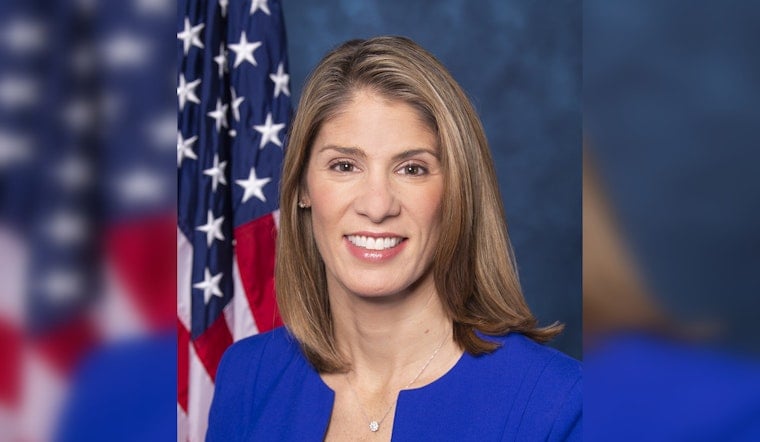
Massachusetts Rep. Lori Trahan is suddenly at the center of Washington's intensifying fight over artificial intelligence, after helping roll out a sprawling bipartisan discussion draft known as the Great American Artificial Intelligence Act. Unveiled in early June, the proposal aims to build federal guardrails for so-called "frontier" AI systems that touch national security, cybersecurity and the workforce. What started as a feedback document has quickly turned into a political flashpoint in Massachusetts and on Capitol Hill.
In a press release from Congresswoman Trahan's office, Trahan and California Republican Rep. Jay Obernolte framed the draft as a bipartisan attempt to "protect workers" and "establish real accountability" for powerful AI systems while keeping American innovation on track. The release directs readers to the full legislative text, a section-by-section breakdown and an FAQ, and invites public comments at [email protected].
What's in the draft
The 269-page discussion draft would set up a formal federal oversight structure, including a new Center for AI Standards and Innovation, and would layer on reporting, transparency and independent-audit requirements for large "frontier" model developers. It would temporarily pause state laws that regulate AI model development for three years, while leaving states in charge of rules around AI use and deployment. The plan would also expand federal funding for AI research and workforce initiatives. Bloomberg Government has detailed the proposal's reach and spending priorities.
Capitol reaction
Not everyone in Congress is sold. The House Commission on AI and the Innovation Economy publicly pushed back, arguing that the draft "does not meet the enormity of the moment" and declining to endorse it in its current form. In a statement, House AI Commission members said they will keep working with outside stakeholders while they explore other policy options.
Massachusetts backlash
At home, Trahan is catching heat from advocacy groups and state lawmakers who fear a federal freeze on model-development rules would wipe out hard-fought consumer and privacy protections. Axios Boston reported that a coalition that includes Common Cause Massachusetts and the Disability Law Center sent Trahan a June letter urging her to drop the preemption language. More than 200 state legislators also pressed Congress to remove the three-year pause.
Industry response
Tech trade groups and business organizations, meanwhile, are much warmer to key parts of the plan. Many welcome the push to set national standards and boost research funding, arguing a single federal framework is better than a confusing state-by-state patchwork. The Software & Information Industry Association, for example, praised the draft for formally creating the Center for AI Standards and Innovation and for backing international standards work. In its statement, SIIA said it looks forward to working with Trahan and Obernolte to fine-tune the bill.
Legal and policy stakes
Legal analysts say the preemption clause is not just a footnote. It raises classic federalism questions and is likely to become a central bargaining chip if the draft moves through committee. Reporting from NextGov and other policy experts underscores that the fight over a strong national standard versus tougher state-level protections may decide whether any final bill can assemble broad support.
What happens next
For now, the proposal is still just a discussion draft. Trahan's office has posted the full bill text, the section-by-section summary and an FAQ, and is actively soliciting public input as lawmakers weigh revisions. On June 28, CBS Boston aired a local segment that spotlighted the split between supporters who welcome a clear federal blueprint and critics who warn about giving up state authority. Sponsors say that feedback will shape the next version of the bill, and the coming committee process and amendment fights will reveal whether a bipartisan AI framework can survive the political crossfire.





