

























































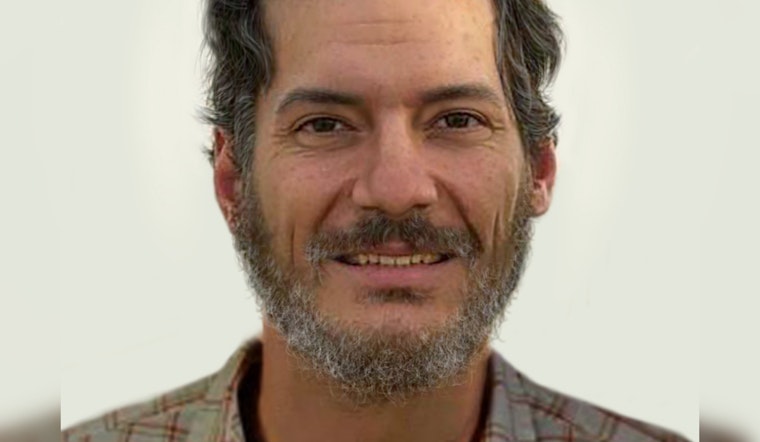
Washington, Former national security adviser Robert O’Brien says in a new memoir that he privately asked Russia to pressure Syrian leader Bashar al-Assad to help free Austin Tice, the freelance journalist who disappeared in 2012, and that the outreach fell flat. The account, in advance copies circulating inside the Trump administration, adds fresh detail to a search that has now stretched across three presidencies and relied on a grab bag of diplomatic and back-channel tactics, with uneven results.
O’Brien says he asked Moscow to lean on Assad
O’Brien writes that he reached out to Nikolai Patrushev, Russia’s national security adviser, and asked him to use Moscow’s leverage with Damascus to secure Tice’s release. As reported by CBS News, an advance copy of the book says Patrushev agreed to try but that “even Assad’s allies ran into a brick wall.” O’Brien presents the Moscow outreach as one of several distinct efforts he undertook to find the missing reporter.
Backchannels, a dangerous mission and dead ends
Over the years, U.S. officials and intermediaries kept trying new angles, often in secret. Those efforts included a risky 2020 trip to Damascus by Kash Patel and Roger Carstens to press Ali Mamlouk, Syria’s intelligence chief, for proof of life, according to The Washington Post. Other attempts involved Jordan’s king, Vatican intermediaries and Lebanese businessmen, but those overtures frequently stalled when Damascus demanded sweeping concessions.
U.S. agencies also set up a dedicated intelligence cell to chase leads on Tice. The tips kept coming, yet the results stayed murky, with many reports ambiguous and often impossible to verify.
Conflicting intelligence and new allegations
Intelligence about Tice’s fate has shifted repeatedly and remains disputed. The BBC reported in 2025 that a former Syrian commander told U.S. investigators he believed Assad ordered Tice’s execution in 2013, an allegation U.S. officials and the family have not independently corroborated. O’Brien’s memoir also highlights the administration’s broader hostage work, noting the first Trump term recovered “55 Americans from 24 countries,” according to CBS News, but those wins did not yield clear answers about Tice.
The result is a web of leads, claims and conflicting intelligence that investigators are still trying to sort out.
Family response and what comes next
Tice’s parents have pressed successive administrations for answers and, despite years of contradictory reporting, they remain hopeful, The Washington Post reports. U.S. officials say they have chased thousands of tips, posted rewards and reviewed newly available Syrian records after the regime’s collapse, yet no single piece of evidence has definitively resolved what happened to Tice.
For now, O’Brien’s book offers a closer look at the effort to enlist Moscow, adding one more account to a case that remains painfully open. His narrative underscores both how far U.S. officials will go in hostage cases and the hard limits of diplomacy when a captor refuses to budge. Investigators say they will keep following credible leads and working with partners as they search for long-awaited answers.


