

























































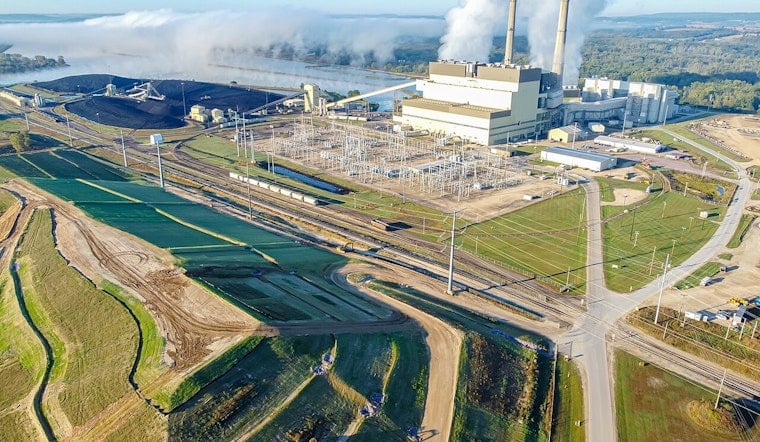
In Pardeeville, the aging Columbia Energy Center pumped out a lot more pollution in 2025, just as its retirement date slid further into the future and new federal money started rolling in. Carbon monoxide, carbon dioxide and particulate pollution all jumped last year, breaking a multiyear trend of declining emissions at the coal-fired plant. The spike has escalated a homegrown fight over how much pollution the region is willing to tolerate in the name of reliability, and who is going to pay to keep the old units on life support.
State Records Put Numbers To The Pollution Jump
Department of Natural Resources records show the plant’s carbon monoxide emissions climbed from about 3.9 million pounds in 2024 to 6.6 million pounds in 2025. Carbon dioxide rose from roughly 11 billion to 14 billion pounds, and particulate matter nearly doubled to about 685,876 pounds. Those figures come from the facility’s annual emissions inventory and were detailed in reporting that reviewed the DNR records, including coverage from Urban Milwaukee. According to Wisconsin DNR, the plant also emitted higher amounts of nitrogen oxides, ammonia and several toxic metals in 2025.
Utility Says Extra Coal Burns Were For The Grid
Alliant Energy, the plant’s majority owner, says there was nothing mysterious about the pollution spike: Columbia simply ran more often to meet regional grid needs. In a statement to Wisconsin Public Radio, spokeswoman Cindy Tomlinson said the facility has “run more frequently” to satisfy obligations in the MISO power market and that Alliant applied for federal funding to cover planned reliability and safety upgrades. The plant’s retirement was pushed back - first to 2026 and later to at least 2029 - as utilities and federal officials weighed how to keep capacity online during a period of rising demand.
Trump-Era Funding Tries To Hold The Line For Coal
The White House has moved to prop up coal nationwide, with officials announcing roughly $700 million in Defense Production Act spending aimed at modernizing and keeping coal plants online. Reuters reported the broad plan, and local coverage shows Columbia Energy Center is in line for about a $19 million modernization award. Federal and utility officials argue the grants are designed to shore up reliability and lower costs, while critics counter that the subsidies will simply stretch out the life of a costly, highly polluting technology.
EPA Modeling Tallies The Health Hit
Federal modeling cited in local reporting points to sizable public-health costs if Columbia keeps running. The Environmental Protection Agency’s analysis suggests shuttering the plant would prevent roughly 2,600 asthma attacks, avert about 1,200 missed school days and avoid at least four premature deaths across Wisconsin each year. Those estimates come from modeling reviewed alongside DNR inventory data, and Urban Milwaukee summarizes the EPA results.
Health Advocates Blast The Deal
Public-health and environmental advocates in Wisconsin are not impressed with the tradeoff. “Coal makes us sick, coal kills people,” Brittany Keyes, clean air policy manager with Healthy Climate Wisconsin, told the Wisconsin Examiner. Amy Barrilleaux of Clean Wisconsin said the state and utilities are “making a health tradeoff” by keeping the coal units open. Those comments appeared in the Examiner’s reporting on the rising emissions and the new federal awards.
Who Pays: Ratepayers, Regulators And The Regional Grid
Consumer and watchdog groups warn that the federal push to keep coal plants running could ultimately land on customers’ monthly bills. Tom Content of the Citizens Utility Board of Wisconsin told reporters that costs tied to keeping out-of-state coal online have been spread across the Midwest. Energy analysts have also flagged a nationwide uptick in power-plant pollution in 2025 as some facilities ran longer after federal rollbacks and emergency orders. National coverage from E&E News lays out that trend and connects it to the broader cost picture.
The next key questions are whether the Department of Energy finalizes the promised grants and how Alliant and its co-owners propose to spend the money in upcoming regulatory filings. For communities around the plant, the underlying choice remains blunt: accept more short-term coal generation in the name of reliability, or push harder on the long-term health and climate costs that come with it.





