

























































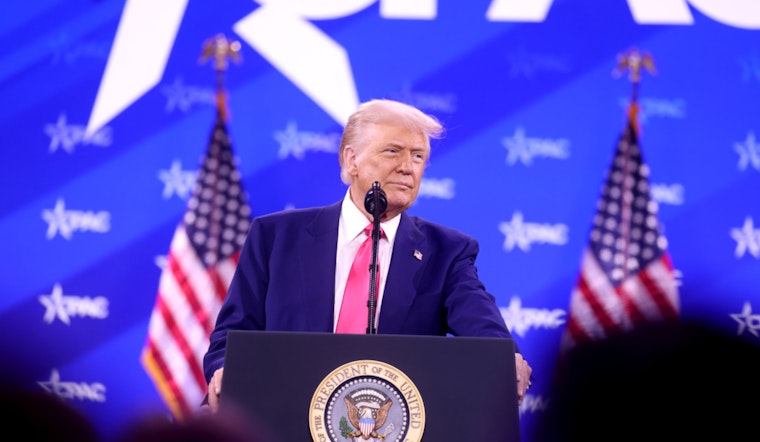
President Donald Trump said Thursday that the United States and Iran could ink a peace deal as soon as this weekend, after he abruptly called off planned military strikes while negotiators kept talking. The reversal came as mediators and some Iranian sources suggested a political understanding was in place, even as Tehran publicly insisted that no final text had been signed off on.
In a post on Truth Social, Trump wrote that he had "cancelled the scheduled strikes and bombings against Iran this evening" because talks had been "brought to the highest level of Iranian leadership and approved," according to Axios. He added that the "time and place of the signing" would be announced "shortly" and floated the idea that Vice President J.D. Vance could lead the U.S. delegation.
Three Iranian sources told Reuters that a political understanding had been reached, but that technical details, especially how to unlock tens of billions in frozen Iranian funds, were still being hammered out. Iran's semi-official Fars news agency and the foreign ministry, meanwhile, pushed back on any suggestion that a finalized text was ready, saying Tehran would still have to give formal approval before anything became binding.
What the draft would do
The outline under discussion would temporarily ease Iran's grip on the Strait of Hormuz, reopen shipping through specified channels and lift a U.S. naval blockade on Iranian ports during a 60-day window, while leaving more explosive questions about Tehran's nuclear program for later rounds of talks. Local coverage that first highlighted the White House comments notes that the proposal also envisions a phased release of frozen funds that would be tied to compliance with the ceasefire. For a local take, see reporting by the Honolulu Star-Advertiser.
Markets and the region
Traders treated Trump's pause as a potential step back from the brink: oil prices slipped and U.S. stock futures nudged higher as investors shaved off some of the risk premium tied to Gulf shipping, according to Axios. Regional governments and mediators issued carefully worded notes of support, while analysts warned that any interim deal could prove extremely fragile if either side decides to walk away.
What's next
Any memorandum would still need formal political sign-off in Tehran, including approval by Iran's supreme leader, and negotiators say that specifics such as inspection arrangements and how to handle enriched uranium would be pushed to subsequent talks, Reuters sources reported. Officials and analysts caution that the window for a short-term agreement is narrow and that military options could quickly return to the table if the talks break down.
Hoodline has been tracking the White House hunt for a diplomatic exit and the domestic political fallout, including a recent House vote aimed at reining in the president's war powers while negotiations continue. Trump pitches Iran peace from the Oval Office and Hoodline will follow developments as markets and lawmakers respond.



.jpg)