

























































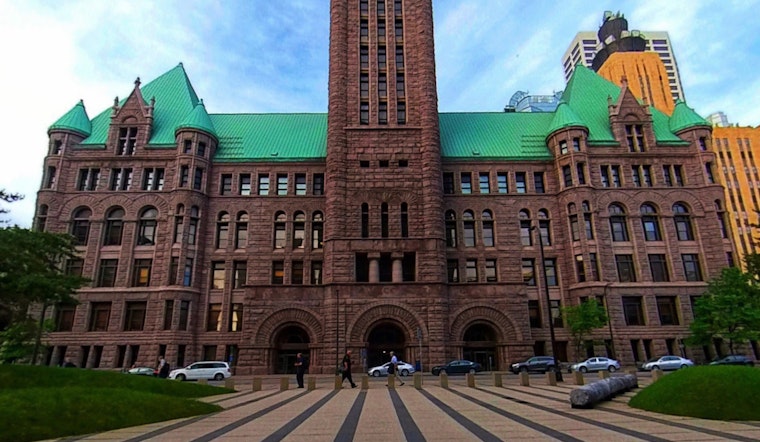
A federal court has ordered the U.S. government to pick up the legal tab for Alberto Castañeda Mondragón, the Minnesota man who says Immigration and Customs Enforcement agents fractured his skull during a January arrest in the Twin Cities. The fee ruling is the latest turn in a case that rattled local hospitals and drew both state and federal scrutiny.
Court records show the order, issued Monday, requires federal authorities to pay the attorneys who represented Castañeda Mondragón. The ruling follows a federal habeas petition granted in January that found his detention unlawful and cleared the way for him to seek legal fees under federal law, according to the court docket. Justia.
Castañeda Mondragón was hospitalized after his Jan. 8 arrest. A CT scan showed at least eight skull fractures and bleeding in multiple areas of his brain, injuries that doctors told reporters did not line up with a simple fall. ICE initially told hospital staff that he had “purposefully run headfirst into a brick wall,” an account that clinicians and civil-rights advocates have sharply questioned. The Associated Press.
Judge's Earlier Ruling and the Path to Fees
In January, a federal judge issued a written memorandum and order declaring Castañeda Mondragón’s detention unlawful and directing his immediate release. That opinion also laid out that he could move for recovery of attorneys’ fees and costs under the Equal Access to Justice Act, setting up the request that led to this week’s fee order. The memorandum and order are publicly available in the case docket. Justia.
Investigations and Hospital Reaction
State and federal investigators have examined what happened in that Twin Cities shopping-center parking lot. The St. Paul Police Department and the FBI canvassed the area where bystander video captured the moments after the arrest, according to local reporting. CBS Minnesota.
Inside the hospital, the official story from ICE raised eyebrows. Staffers told reporters they doubted the claim that Castañeda Mondragón had run into a wall, citing the pattern and severity of his fractures. After employees spoke with the press, Hennepin Healthcare launched an internal review of how the case was handled. The Associated Press.
What the Fee Order Could Mean
The fee award is proceeding under the Equal Access to Justice Act, which lets a prevailing party recover attorneys’ fees and certain other expenses from the United States unless the government’s position was “substantially justified” or special circumstances would make an award unfair. The statute also requires a timely fee application after final judgment. Cornell LII.
Attorneys for Castañeda Mondragón have characterized the court’s move as an important check on government overreach, while local advocates have described it as a modest slice of accountability in a case that exposed tensions between hospital staff and federal agents. The timing and mechanics of any actual payment will depend on formal fee filings and how the government responds. MPR News.
“We are encouraged by the court's order, which affirms that the rule of law applies to all people, in every corner of our country, including federal officers,” said Jeanette Boerner, director of Hennepin County Adult Representation Services, in response to the court’s actions in the case. The Department of Homeland Security and ICE have previously defended the officers’ account that Castañeda Mondragón injured himself while trying to flee, and government spokespeople did not immediately respond to new requests for comment on the fee award. MPR News.





