

























































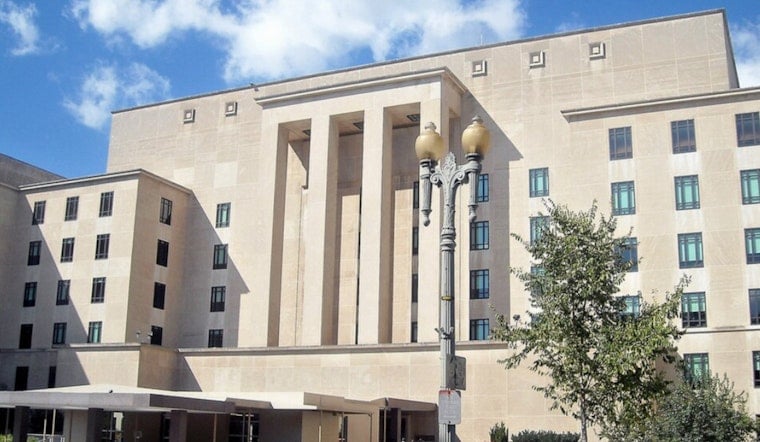
The U.S. Department of State has refreshed its warning to Americans heading to Mexico, telling travelers to "exercise increased caution" in light of violent crime, kidnapping and terrorism risks. The updated advisory, issued May 29, 2026, keeps Mexico at an overall Level 2 but singles out several states for much stricter alerts and spells out what U.S. government employees are allowed to do. The timing is no accident, landing just days before Mexico hosts World Cup matches and adding new guidance for fans heading to Mexico City, Guadalajara and Monterrey.
According to the U.S. Department of State, the advisory flags three main risk indicators: terrorism (T), crime (C) and kidnapping or hostage taking (K). Officials warn that the U.S. government has "limited ability" to assist citizens in many areas of Mexico. The notice also reiterates rules for U.S. employees, including avoiding travel between cities after dark and relying on dispatched or app-based ride services instead of hailing taxis on the street.
The language gets blunt for the highest-risk zones. "Do not travel due to terrorism, crime, and kidnapping," the notice states, placing six states at Level 4, the most severe designation, according to the U.S. Department of State. Colima, Guerrero, Michoacán, Sinaloa, Tamaulipas and Zacatecas all land in that top tier, with officials citing cartel and gang violence, shootings and reported kidnappings. The advisory includes maps and detailed state-by-state rules that spell out where U.S. personnel may travel and under what strict conditions.
Which States Are Flagged and Where to Be Careful
Several other states are not quite in the do-not-go category but still draw serious concern. States labeled Level 3, or "reconsider travel," include Baja California, Chiapas, Chihuahua, Guanajuato, Jalisco, Morelos and Sonora. Many of the biggest tourist magnets, such as Quintana Roo and Mexico City, stay at Level 2, meaning travelers should be cautious but are not flatly discouraged from visiting.
As reported by Fox5 San Diego, none of Mexico's World Cup host cities fall into the Level 4 group. Even so, fans are urged to stick to official fan zones, vetted transport options and well-traveled areas. With a state-by-state system and different rules even within the same region, the risks shift sharply depending on the route you take and where you decide to linger.
Why the Advisory Was Refreshed
Journalists and analysts note that the timing follows months of high-profile violence, protests and scattered attacks that raised eyebrows ahead of the tournament. Al Jazeera reported that Mexican authorities have promised a major security rollout, including roughly 100,000 National Guard members, police and private security personnel to guard stadiums and key transit corridors. That massive deployment, combined with recent turbulence linked to organized crime, provides the backdrop for the State Department's sharper focus on terrorism and kidnapping risks in its latest wording.
Practical Advice for Fans and Other Travelers
For those still heading south, the advisory comes with a checklist. Travelers are urged to enroll their trips in the Smart Traveler Enrollment Program, avoid driving at night, use regulated taxis or app-based ride services, keep emergency contacts handy and carry both digital and printed copies of identification and travel documents. For local alerts and consular help, the U.S. Embassy in Mexico posts contact information, safety updates and maps of restricted areas for U.S. citizens.
If you are attending World Cup matches, officials recommend planning routes between hotels and stadiums well in advance and building in extra time for checkpoints and stepped-up security screenings in the host cities.
The State Department is not banning Americans from visiting Mexico outright, but the fine print matters. The advisory underscores that risk levels vary widely by state and even by specific routes, with many resort zones still accessible while other regions are effectively off limits. Travelers are urged to check the latest Department of State advisory, along with updates from the nearest U.S. consulate or embassy, before finalizing plans and to rethink itineraries that pass through higher-risk areas.





