

























































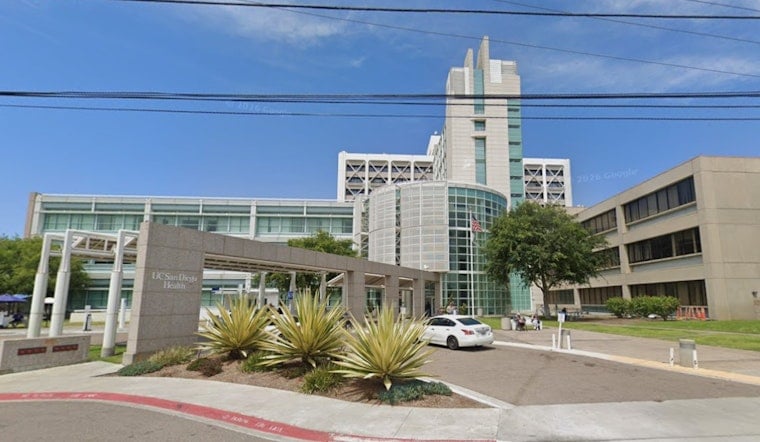
UC San Diego Health's new staffing rule for contracted psychiatrists is already sending a chill through clinics in La Jolla and Hillcrest. Several specialists, many of them working parents, say the change could force them to cut back hours, walk away from longstanding roles, or leave the system entirely. Clinicians warn the requirement clashes with hybrid schedules that juggle hospital, outpatient, and pediatric work, and they fear some of the most vulnerable patients could see their care disrupted.
What the rule requires
Under the policy, contracted psychiatrists must now spend at least 60% of their total work hours seeing UC San Diego Health patients. Roughly 144 psychiatrists were notified in April that they would need to meet the new threshold, according to The San Diego Union-Tribune.
One of them is Dr. Simi Brar, a child and adolescent psychiatrist who splits her time between UCSD clinics and Rady Children’s Hospital. She told the paper she currently devotes about 40% of her time to UCSD and warned that increasing my UCSD hours to 60% would do harm to me personally and professionally. Brar has also told patients they must find new counselors by Aug. 14 if the policy stays in place, raising the odds of a last-minute scramble for replacement providers.
What UC San Diego Health says
UC San Diego Health officials frame the staffing change as part of a broader effort to strengthen specialty programs and grow focused services, including reproductive mental health. The system also cites the need to reduce any risk of inappropriate self-referrals as it builds its network.
On its website, UC San Diego Health highlights existing outpatient and specialty mental health clinics as the foundation for expanding services and recruiting additional clinicians. Leaders say boosting in-house capacity is central to meeting rising demand.
Unions and staff push back
Labor leaders and frontline clinicians see it very differently. They have urged UC San Diego Health to scrap the 60% requirement, warning it will undercut continuity of care and make it tougher to recruit niche specialists who often rely on carefully balanced portfolios of clinical work.
A union letter and organizers planning demonstrations blasted the change, and union officials told The San Diego Union-Tribune that the rule “will directly harm patients, disrupt continuity of care, and undermine recruitment and retention of specialized clinicians.” For patients who have spent years with the same psychiatrist, that prospect is especially unnerving.
Why staffing rules matter
Mental health experts say the details of staffing policies are not just inside baseball. Losing outpatient psychiatrists, they argue, can quickly worsen long waitlists and deepen already uneven access to specialty care.
A National Academies review documents ongoing behavioral health workforce shortages and low participation by psychiatrists in some payer networks, which can make access fragile whenever clinicians change jobs or cut back hours, according to the National Academies. In that environment, even a policy tweak can ripple through a local mental health system.
What patients and clinicians can expect next
For the psychiatrists caught in the middle, the immediate options are stark. They can increase UCSD hours to hit 60%, drop outside hospital or pediatric commitments, or stop taking UCSD panels altogether. Any of those choices could fragment care for perinatal and pediatric patients who rely on tightly coordinated treatment teams.
UC San Diego Health says it is recruiting and building specialty capacity to meet demand, and it advises patients worried about continuity of care to contact their current provider or the health system directly. The next several weeks will test whether new hiring can soften any service gaps as the policy rolls out.
For now, working parents and the clinicians who treat them are watching closely for signs the rule might be adjusted or that fresh staffing will cushion the blow. If UC San Diego Health and its psychiatrists cannot find common ground, the shift could translate into fewer specialty appointments and longer waits for vulnerable patients across the county.



