

























































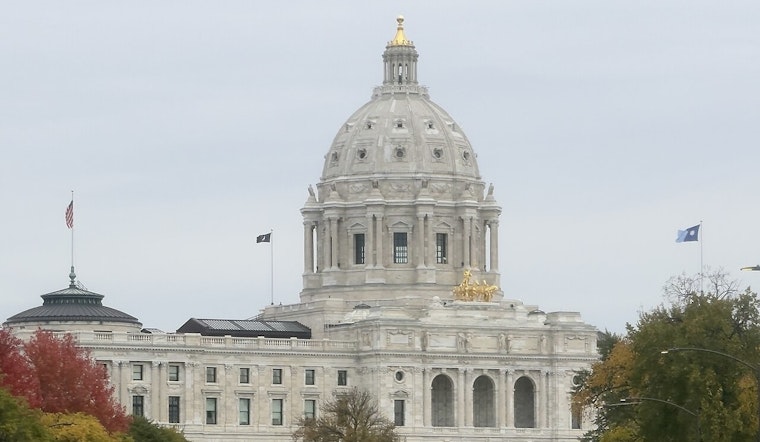
Governor Tim Walz is handing a politically charged assignment to one of Minnesota’s most recognizable legal figures, naming retired Hennepin County Judge Peter Cahill to chair a new statewide council that will document the fallout from recent federal immigration enforcement actions in the state. Cahill, who presided over the Derek Chauvin murder trial, will oversee an effort to collect testimony, preserve residents’ experiences and recommend ways to prevent similar harms in the future.
The appointment was announced June 2, 2026 and reported by KSTP, which noted that the new Governor’s Council on Recording the Truth of Operation Metro Surge and Operation PARRIS includes community leaders and legal experts from across Minnesota. According to KSTP, the council’s first order of business will be to gather testimony, preserve people’s experiences and develop recommendations aimed at stopping the recurrence of those harms.
Council's mandate and timeline
Under Governor Walz’s executive order, the council can include up to 15 members and will partner with The Advocates for Human Rights to collect stories. It must hold at least four public meetings to hear testimony and review evidence. The order sets a tight schedule, requiring a preliminary report by Oct. 31, 2026 and a final report by Dec. 1, 2026, and it directs state agencies to turn over requested data. The executive order also designates ex officio, nonvoting representatives from the governor’s office, the attorney general and the Minnesota Department of Human Rights.
Why Cahill?
Peter Cahill brings decades on the bench and a reputation for handling high-profile cases. During the six-week Derek Chauvin trial in 2021, the Associated Press reported that he “hardly slept,” a glimpse into how intensely he managed that proceeding. That combination of courtroom experience and the national spotlight from the Chauvin case makes Cahill a very visible, and for some a contentious, pick to guide such a public fact-finding effort.
The Advocates for Human Rights, the group tapped to run the story-collection process, says it will gather testimony, organize public sessions and prepare meeting summaries for the council, according to The Advocates for Human Rights. KSTP reported that Walz is drawing council members from both the Twin Cities metro and greater Minnesota.
The executive order is explicit that the council will have no law-enforcement powers and must steer clear of active investigations. It specifically bars the council from engaging in reporting around the shootings of Renée Good, Julio Cesar Sosa-Celis or Alex Pretti, directing it instead to refer any potential violations it encounters to the agencies already charged with investigating them. The carve-out is designed to protect ongoing criminal and administrative inquiries while still allowing the council to build a public historical record.
Walz’s decision to enlist a high-profile jurist underscores the political stakes surrounding Minnesota’s response to the federal enforcement operation, which has sparked protests, lawsuits and a flurry of state actions in recent months. For broader context on the governor’s moves following the ICE surge, see reporting from MPR News.


.jpg)