

























































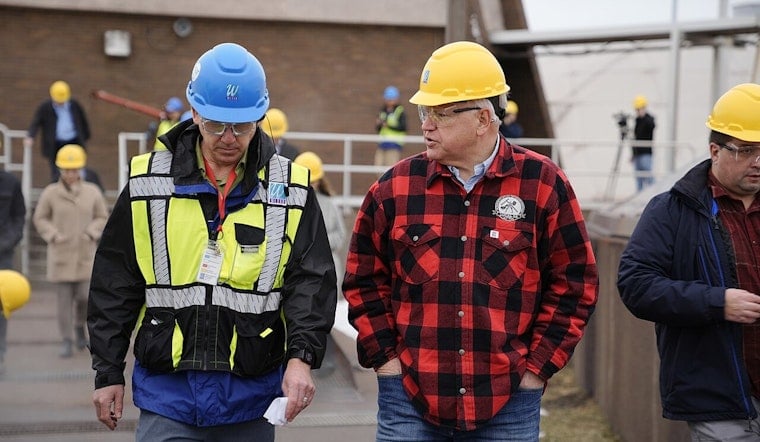
Gov. Tim Walz has signed off on a $1.2 billion state bonding package, setting off a wave of public-works spending on water systems, transportation projects and preservation of state assets across Minnesota. The signing last Wednesday closed out a late, bipartisan, end-of-session deal that also delivered emergency hospital stabilization money and a short break on vehicle registration fee hikes.
What the Package Pays For
Roughly one third of the package, about $420 million, is slated for water infrastructure projects across the state. Another $247 million is earmarked for asset preservation and about $176 million for transportation work, according to MinnPost. That reporting also details dozens of local earmarks, including funding for PFAS treatment in Hastings and sewer and water work in Rochester and St. Paul. Supporters say that blend of statewide programs and local carve outs is meant to move money into both large regional hubs and smaller communities.
How It Cleared the Finish Line
The capital spending is packaged in House File 719, and the Office of the Revisor of Statutes has posted the bill text showing authorization of $1.2 billion in general‑obligation bonds for capital projects. As FOX 9 reported, Walz signed a stack of end-of-session measures as lawmakers wrapped up their work at the Capitol. The bonding deal was hammered out in late negotiations among DFL and GOP leaders, an agreement crafted to clear the supermajority threshold required for bonding legislation.
Part of a Broader End-of-Session Deal
Lawmakers tied the bonding bill to a broader agreement that included $205 million in one-time support to stabilize Hennepin County Medical Center, along with the potential for a roughly $500 million hospital reserve, according to Axios Twin Cities. The same deal includes about $125 million in property tax refunds and a one year rollback in registration fee increases, trade offs that leaders said were needed to secure bipartisan backing. Officials are pitching the combined package as a mix of near term financial relief and targeted bricks-and-mortar investment around the state.
The Governor's Take
“This agreement reflects the disciplined, fiscally responsible approach Minnesotans expect,” Walz said in a statement outlining the negotiated framework. He said the plan concentrates spending on fiscal sustainability, critical infrastructure and community health. The comments appeared in a May 13 release from the governor's office announcing the bipartisan agreement that paved the way for the final set of bills.
What Comes Next
With the bills now signed, state agencies are set to route funding through program priority lists while local applicants queue up for project approvals. The HF 719 language allows many appropriations to remain available until projects are completed or abandoned, according to the bill text posted by the Revisor. Local governments and contractors say the new money should translate into construction jobs and long awaited upgrades in the coming months as predesign work and grant applications advance. Communities with specific earmarks are expected to roll out more detailed timelines once state agencies publish their award schedules.


