

























































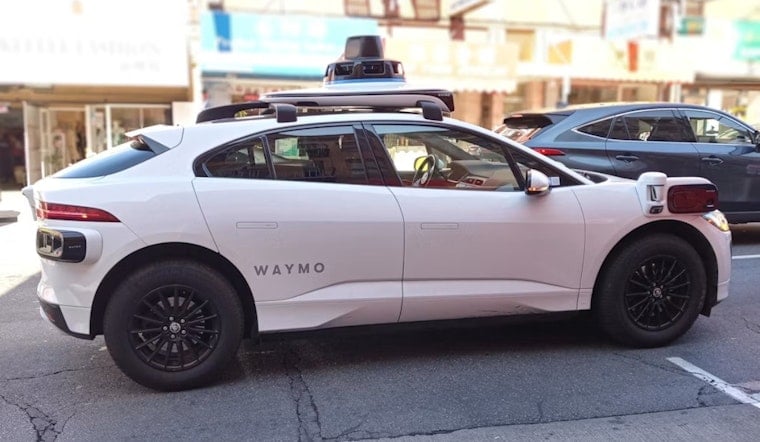
Waymo’s driverless cars are cozying up to San Francisco’s protected bike lanes, and cyclists are not thrilled about the new neighbors. Residents keep spotting the white robotaxis sliding into bright green lanes along busy corridors, sometimes sitting there for minutes and pushing people on bikes and scooters to veer into car traffic to get around them.
The latest flashpoint came on June 7, 2025, when Matthew Raifman, a transportation safety researcher at UC Berkeley, photographed a Waymo edging into the lime-green bike lane near the Ferry Building and said the vehicle lingered after dropping off a passenger. A separate clip that made the rounds on Reddit shows another Waymo sitting in the green lane near Oracle Park while cyclists and e-scooter riders weave past it to stay upright, as reported by the San Francisco Chronicle.
Company Says Pick-Ups Are Tricky
Responding to the complaints, Waymo told the San Francisco Chronicle that “pick-up and drop-off is a complex challenge” and that its array of sensors and cameras must juggle multiple safety considerations in real time, including people inside the car and those moving around it. The company also said it supports creating more passenger loading zones and backs “efforts to further protect bike lanes.”
Legal Fallout
The frustration is not just theoretical. Last year, San Francisco cyclist Jenifer Hanki sued Waymo and Alphabet after she said a Waymo pulled into her marked bike lane and a passenger door opened into her path, hitting her and sending her into another robotaxi, causing serious injuries, according to Hoodline. The complaint argues that Waymo’s “Safe Exit” system failed to prevent the dooring incident, and the case is still active in San Francisco Superior Court, keeping attention on the limits of automated safety features when real people are sharing the lane.
New Rules Could Change Enforcement
State regulators are trying to tighten the rules of the game. Beginning July 1, California law will allow officers to issue a notice of AV noncompliance to autonomous-vehicle operators when a robotaxi violates traffic laws, creating a formal way to hold companies accountable rather than a human driver, according to the California DMV. DMV guidance adds that officers can deliver that notice to a manufacturer’s designee at the scene, or send it to the agency within 72 hours if they cannot make direct contact.
What City Officials Say
Locally, transportation officials say the rules are already clear: robotaxis and other ride-hail vehicles are supposed to use posted loading zones for pickups and drop-offs, not bike lanes. Public guidance from the San Francisco Municipal Transportation Agency notes that passenger and commercial loading zones are the main tool for cutting down on curbside conflicts and that residents should report blocked lanes to 311, according to the SFMTA. The agency’s materials stress that enforcement and physical curb design, not just software updates, will be key to stopping repeat problems.
Cyclists and safety researchers say that in the short term the fixes are straightforward: tougher enforcement, more dedicated pick-up areas, and stronger bike-lane protection. Over the longer haul, they argue cities need to rebuild curbs and loading areas so algorithm-driven fleets cannot treat painted green lanes as temporary drop-off zones. With lawsuits still pending and new statewide rules scheduled to kick in on July 1, 2026, both regulators and companies will be watching closely to see if updated code, camera data, and fresh ticketing powers are enough to keep people on bikes out of robotaxis’ paths.




