

























































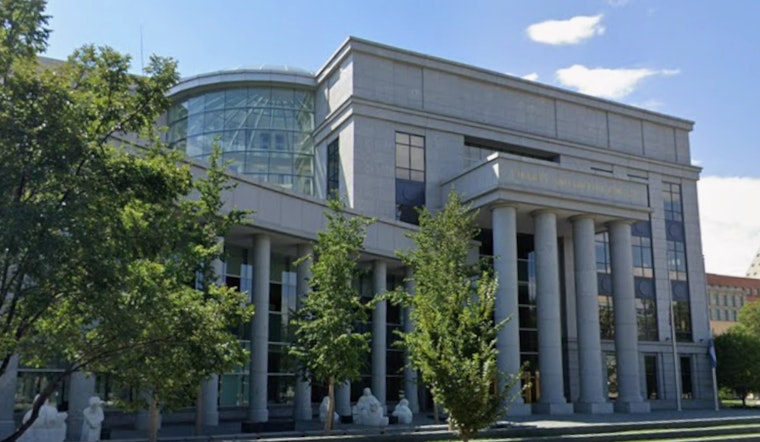
The Colorado Supreme Court, on June 1, reversed a Denver district judge and ruled that officers' observation of “furtive” arm movements during a traffic stop justified a warrantless protective sweep that uncovered a handgun and narcotics. The decision in People v. Baker clears the main evidence prosecutors plan to use against Troy J. Baker and marks a significant state-level ruling on when police in Colorado may search a vehicle without a warrant. At the heart of the case was whether short, ambiguous arm movements - paired with a recent weapons arrest and a stop in a high-crime area - created an objectively reasonable fear for officer safety.
Denver officers Keegan Grubb and Richard Eberharter pulled over a Toyota in West Denver in February 2025 for a missing front license plate and reported seeing the driver and passenger making “abnormal” arm movements inside the car, according to Colorado Politics. The officers called for backup, removed the occupants, and patted down Baker. Within minutes, they found a handgun under the front passenger seat and then discovered a bag with fentanyl pills and methamphetamine, which led to drug and weapons charges.
What the high court said
Justice Susan Blanco, writing for the court, concluded that “officers should not have to wait for an unmistakably dangerous act, such as drawing a firearm.” The opinion found that the arm movements, Baker's recent weapons arrest, and the traffic stop's location in a high-crime area together created an objectively reasonable belief that the occupants might be armed, according to the Colorado Judicial Branch. The justices reversed the district court's suppression order and sent the case back for further proceedings in Denver's district court.
Why the trial judge excluded the evidence
District Court Judge Karen L. Brody had previously thrown out the evidence after a November hearing, finding the officers' testimony about “furtive” or “abnormal” arm movements vague and not credible, Colorado Politics reported. Brody wrote that the officers could not say what, if anything, the occupants were actually moving and concluded that the detention had been stretched beyond what was necessary to deal with the missing license plate violation.
Local takeaway
The ruling (26 CO 41, 25SA344) now lets prosecutors use the seized gun and narcotics at trial and clarifies that courts will factor brief, unexplained gestures into the totality-of-circumstances analysis, according to the Colorado Judicial Branch. Police advocates say the decision acknowledges officers' need to address safety risks during traffic stops, while defense lawyers and civil-liberties groups warn it could widen the grounds for protective sweeps in Denver and beyond.
Legal implications
The decision leans on decades of Colorado precedent that treat furtive gestures as a relevant factor and emphasizes that courts will look at the full context rather than require officers to wait until a weapon is actually drawn. Baker remains charged with drug felonies and weapons counts, and the reversal means the suppression fight will now play out at trial in Denver's district court.





