

























































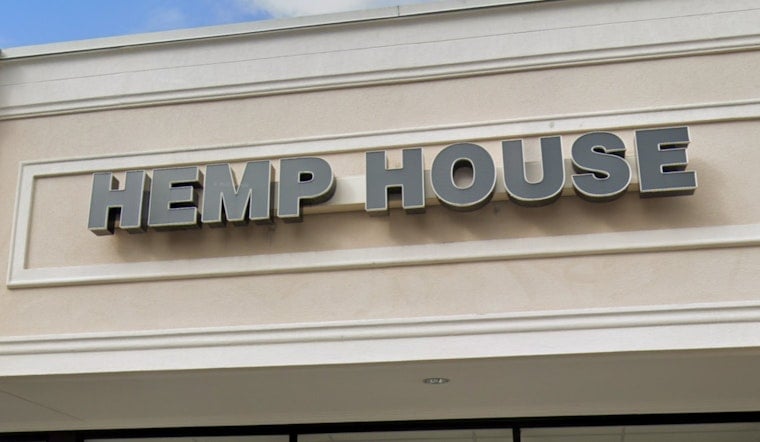
The Hemp House in West Knoxville is set to close by July 2, with owner Andy Chesney saying Tennessee’s new hemp rules have squeezed profit margins and stripped out core products the shop depends on. Chesney, who has run the store for eight years, told reporters that THCa products account for roughly 30 percent of his sales and that losing them would chop revenue by about 40 percent. The closure lands as the latest jolt for Tennessee hemp retailers facing fresh testing, licensing, and age-gating requirements.
As reported by WVLT, Chesney said, “It’s just going to make a product more expensive for consumers, and from our retail perspective, it’s going to decrease that margin to a point that just makes it too tough for a business our size.” WVLT also notes that the Tennessee Alcoholic Beverage Commission, which now oversees these products, said THCa is included in the “total THC” calculation and that the agency has already approved more than 1,000 license applications.
How the state framework works
Public Chapter 526 shifted oversight of hemp-derived cannabinoid products from the Department of Agriculture to the Tennessee Alcoholic Beverage Commission and set a 0.3 percent “total THC” cap that counts THCa using the formula total THC = Δ9-THC + 0.877×THCa, according to the Tennessee Department of Revenue and the TABC’s FAQ. TABC guidance says retailers must be age-gated, display batch-level lab testing, and stop delivering products directly to consumers once legacy Department of Agriculture licenses expire on June 30. The commission also warns that selling hemp-derived products without a license can bring criminal penalties for unlicensed operators.
Why shop owners say the math does not add up
Local and statewide reporting has found that regulators finalized rules that effectively push many THCa products off Tennessee shelves starting July 1, a shift industry members warn will erase large chunks of revenue and customer traffic, according to Tennessee Lookout. Legal advisers and consultants such as Hemp Law Group have been urging retailers to document inventory before July 1 and to apply early for TABC licenses, while bluntly noting that anything failing the new total-THC test cannot legally stay on the shelves.
A federal 'cliff' is coming
On the federal side, the FY2026 appropriations law (Public Law 119-37) adds its own “total tetrahydrocannabinols” standard along with a 0.4 milligram cap per finished-product container, with both provisions scheduled to kick in by November 2026, according to the bill text on Congress.gov. That deadline is expected to further narrow what can move in interstate commerce and increase the odds that many products now marketed as “hemp” will be treated as marijuana under federal law.
What customers and patients should know
People who rely on full-spectrum CBD for chronic conditions say the new rules have already made steady access tougher, according to earlier reporting on Knoxville sisters left reeling by a CBD squeeze. Regulators and clinicians recommend that customers hang on to product packaging and batch Certificates of Analysis so medical providers can document dosing and retailers can quickly show compliance if asked.
For Chesney and other small operators, the crunch is not theoretical. “It’s been a great run,” he said, as he prepares to shut the West Knoxville shop by July 2. Whether Tennessee’s new framework steadies the market or triggers more closures will depend on how licensing rolls out, how strictly rules are enforced, and how the looming federal timeline plays out.




