

























































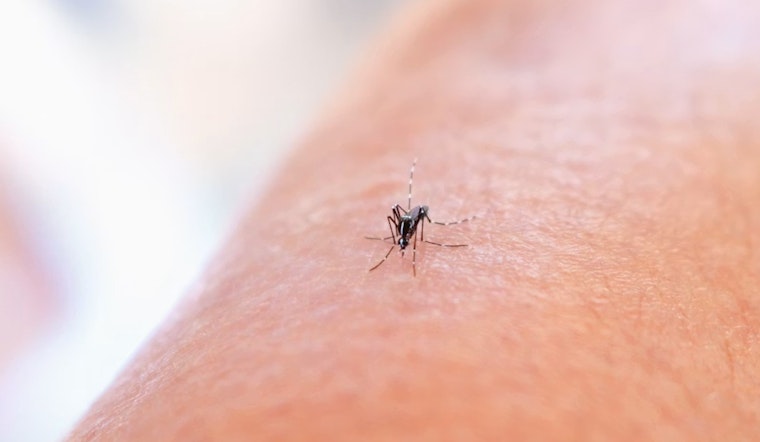
Jefferson County Public Health says a resident is Colorado’s first confirmed human West Nile virus case of 2026, putting Jeffco at the front of a list no one wants to top. The agency is not releasing the person’s age or how sick they are while public-health investigators work to pin down where the exposure likely happened. With mosquito season already in motion across Colorado, health officials are urging residents to start taking bite prevention seriously.
As reported by The Denver Post, Jefferson County Public Health confirmed the positive test on Tuesday but is keeping details limited while the investigation continues. Staff told the paper the case will be folded into state surveillance data as officials keep a close watch on local mosquito activity.
Where West Nile Stands In Colorado
West Nile activity in Colorado typically ramps up in the summer and often runs into September, according to state surveillance and guidance. The Colorado Department of Public Health & Environment tracks both mosquito and human West Nile virus activity statewide and posts regular updates on testing and trends to guide county-level prevention and vector-control work. CDPHE notes that early detections of infected mosquitoes can serve as a warning sign of increased risk to people.
Last Year's Spike
Colorado saw a notably rough West Nile season in 2025, with a substantial number of confirmed infections and deaths across the state, according to reporting by The Denver Post. The outlet reported that the state recorded 286 confirmed cases in 2025 and 18 deaths, numbers public-health experts say highlight how severe West Nile virus seasons can become.
Symptoms And Who's At Risk
Most people infected with West Nile virus never get tested, either because they feel fine or experience only mild, flu-like symptoms. A small fraction, however, develops serious neuroinvasive disease that can lead to encephalitis, paralysis, or death. The Centers for Disease Control and Prevention notes that people over 60 and those with weakened immune systems face higher odds of severe illness, and that available treatment is primarily supportive care. The CDC provides detailed guidance on symptoms and when it is time to seek medical help.
How To Protect Yourself
Health departments keep pushing the “4 Ds” as the simplest way to cut risk: use EPA-registered insect repellent, dress in long sleeves and pants at dawn and dusk when mosquitoes are most active, defend your home by repairing screens on windows and doors, and drain standing water where mosquitoes like to breed. Jefferson County Public Health and the state both share prevention tips and local resources for residents who are worried about exposure. Jefferson County Public Health also lists contacts for questions and for reporting mosquito concerns.
Officials say routine surveillance will continue, and that clinicians order individual testing when symptoms justify it. Residents who develop severe symptoms such as high fever, stiff neck, confusion, or seizures are urged to seek medical attention promptly.



