

























































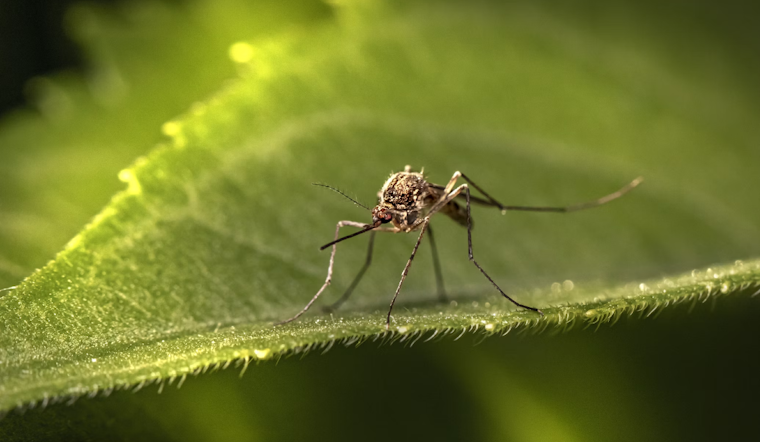
Mosquito season in the Twin Cities just got a little more serious. Health officials say mosquitoes carrying West Nile virus have turned up in several metro counties, after routine trapping the week of June 17 found positive samples in parts of Hennepin, Ramsey and Dakota counties. The Metropolitan Mosquito Control District (MMCD) says it is ramping up surveillance and weighing targeted mosquito treatments in higher-risk spots. The timing has officials on edge, coming off an unusually active 2025 season that pushed human case counts above normal levels.
Where the positive samples were collected
According to FOX 9, MMCD reported one positive mosquito collection in Hennepin County, two in Ramsey County and one in Dakota County from traps set the week of June 17. The district called these the season's first positive mosquito pools in the metro and said staff are keeping a close eye on any nearby jump in adult Culex mosquitoes.
Why this matters
Regional reporting and MMCD data note that 2025 was a record year for West Nile in the Twin Cities area, with about 47 human cases in the metro and roughly 75 elsewhere in Minnesota for more than 120 cases statewide, as reported by CBS Minnesota. The district points to Culex species, including Culex tarsalis, as the main mosquito carriers that can transmit the virus to people. When those mosquitoes are plentiful and early-season mosquito pools start testing positive, the risk to humans can climb, according to the Metropolitan Mosquito Control District.
What health officials recommend
State health officials stress the basics that tend to get people through mosquito season in one piece: use EPA-registered insect repellent, wear long sleeves and pants when mosquitoes are most active, and dump or drain standing water around yards so mosquitoes have fewer places to breed, according to the Minnesota Department of Health. Older adults and people with weakened immune systems face a higher risk for severe illness and are urged to seek medical care if they develop symptoms such as fever, severe headache, neck stiffness or confusion.
How MMCD is responding and what you can do
The MMCD says it has stepped up mosquito surveillance and is considering additional, targeted treatments in the areas where the positive pools turned up, per FOX 9. Residents can report heavy mosquito activity, request inspections and check weekly trap results and prevention tips on the MMCD website at Metropolitan Mosquito Control District.
Most people infected with West Nile virus never develop symptoms; fewer than 1% progress to severe, neuroinvasive disease. Awareness and a few practical precautions remain the best defense, according to the Centers for Disease Control and Prevention.





