

























































New York City’s resident doctors are asking hospitals to pay them more—and to protect the immigration status that lets many of them work here. The campaign covers 3,596 physicians in training at 11 private hospitals, putting wages, benefits and immigration security in the same bargaining fight.
The campaign, first reported by Crain’s New York Business, reaches across the private side of the city’s hospital system. The demands arrive as medical residents nationwide increasingly use union contracts to push back against low pay, grueling training conditions and mounting financial pressure.
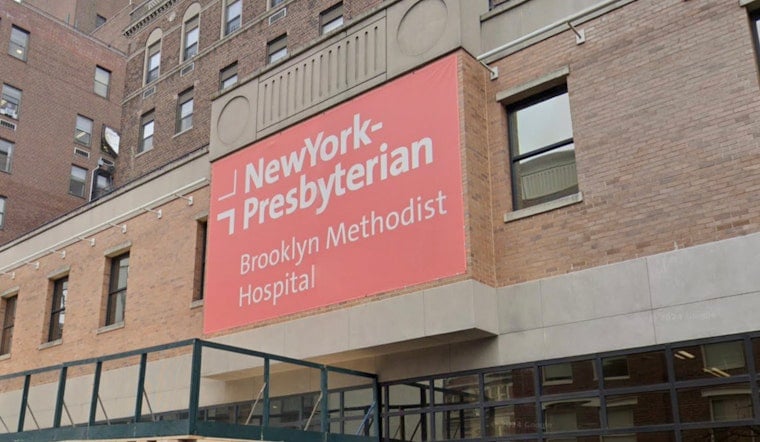
The bargaining footprint includes doctors at Maimonides, One Brooklyn Health, BronxCare, Wyckoff Heights, The Brooklyn Hospital Center, Mount Sinai Morningside and West, NewYork-Presbyterian Brooklyn Methodist, St. Barnabas and St. John’s Episcopal, according to testimony submitted to the New York State Senate. The residents are represented by the Committee of Interns and Residents, a healthcare union affiliated with SEIU.
What The 3,596 Doctors Are Seeking
The union says its New York bargaining teams are seeking living wages, quality benefits and stronger protections for immigrant physicians, according to CIR-SEIU. The campaign also connects working conditions to patient care, arguing that hospitals cannot reliably retain doctors in training while leaving them financially squeezed and vulnerable to abrupt immigration disruptions.
Residents have also raised concerns about the training itself. In February testimony, CIR members said they want to preserve learning opportunities, clinical resources and other educational supports while they negotiate new contracts—an issue that can get overshadowed when the headline demand is simply a bigger paycheck.
New York’s Public-Hospital Deal Sets A Pay Benchmark
A separate 2024 agreement between the city, NYC Health + Hospitals and CIR-SEIU gave more than 2,300 public-hospital interns and residents compounded wage increases totaling 16.21% over the contract term. The deal, announced by the New York City Mayor’s Office, raised the planned starting salary from $66,247 to $81,238 by December 2025 and included lump-sum payments and benefit improvements.
That public-sector agreement is separate from the current private-hospital negotiations, but it gives residents and hospital executives a very visible local reference point. In a city where rent does not exactly practice social distancing from a doctor’s paycheck, the difference between a competitive contract and a lagging one can affect recruitment, retention and the quality of the training pipeline.
Why Immigration Protection Is A Labor Demand
Immigration security is especially significant for New York’s resident physicians because roughly one in five CIR members in the state is an international medical graduate, the union told lawmakers. CIR’s immigration guidance cites visa-renewal denials, travel complications and changing federal policies that can interrupt a resident’s ability to return to the United States or complete training.
New York City has separately reinforced sanctuary protections for city property, including public hospitals, through an executive order announced by Mayor Zohran Mamdani’s office. The resident doctors now bargaining at private hospitals are seeking protections that would operate through their employment agreements, not merely through city policy.
The Next Fight Is At The Bargaining Table
For patients, the dispute may sound like an internal labor matter, but residents are often among the first doctors handling emergency-room visits, inpatient care and overnight coverage. The outcome will help determine whether New York’s private hospitals can keep attracting doctors who are willing to train in one of the country’s most expensive cities while caring for some of its most medically vulnerable communities.





