

























































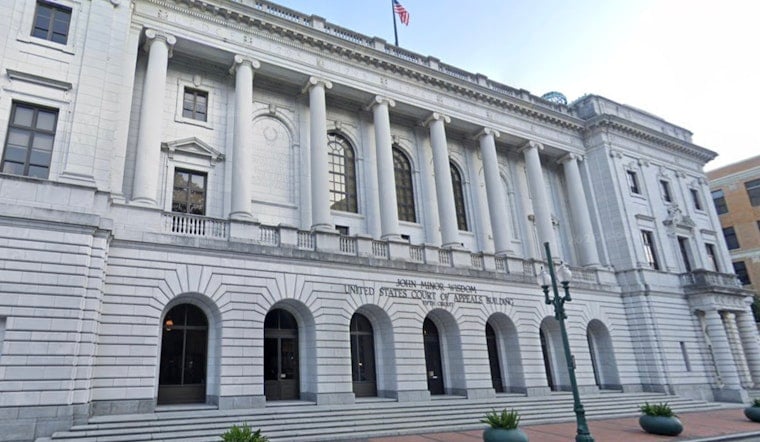
The ACLU of Louisiana and global law firm White & Case LLP said Tuesday they are taking their fight over the 2021 Metairie police shooting of Jabari Asante‑Chioke to the U.S. Court of Appeals for the Fifth Circuit, appealing a federal judge’s decision that tossed their civil‑rights lawsuit on qualified‑immunity grounds.
ACLU files appeal, vows to challenge qualified immunity
According to FOX 8, the ACLU and White & Case filed notice this week that they will appeal the district court’s summary‑judgment ruling that had favored the officers. ACLU of Louisiana legal director Nora Ahmed said, “The excessive violence officers inflicted on Mr. Asante‑Chioke cannot be swept under the rug in the name of qualified immunity.”
Judge applied qualified immunity and dismissed federal claims
U.S. District Judge Carl J. Barbier granted summary judgment for the defendants on June 10, 2026, concluding the officers were entitled to qualified immunity and dismissing the federal claims with prejudice, as detailed by Justia. The order states, “Plaintiff's federal law claims are DISMISSED with prejudice,” and the court declined to exercise supplemental jurisdiction over remaining state‑law claims.
What the record says about the shooting
The encounter unfolded just after 10 p.m. on Nov. 21, 2021, at the intersection of Airline Drive and North Causeway Boulevard in Jefferson Parish, according to the ACLU’s complaint. Local reporting and the court record say officers fired 36 shots and that 15 bullets struck Mr. Asante‑Chioke, while the complaint alleges he was in a mental‑health crisis, carried a knife and an unloaded gun, and that several rounds hit him after he had been disarmed and incapacitated. The complaint and linked filings include witness video and other materials the plaintiff argues would show the officers continued shooting after Mr. Asante‑Chioke no longer posed a threat.
Why the legal fight matters
The suit was brought under 42 U.S.C. § 1983 for excessive force, a federal civil‑rights remedy that traces back to Reconstruction‑era legislation commonly called the Ku Klux Klan Act; Section 1983 allows civilians to sue state actors who deprive them of constitutional rights, as explained by Cornell Law. The district court’s decision to grant qualified immunity before trial highlights a broader legal debate over whether the doctrine blocks trials and curtails discovery in cases alleging excessive force, a point reflected in the court record and plaintiffs’ filings.
What comes next
The ACLU of Louisiana and White & Case say they will press the case in the Fifth Circuit and continue seeking accountability and discovery related to the shooting, per the ACLU Justice Lab’s ongoing docket information. The appeal will test how appellate courts apply qualified immunity in deadly‑force cases and could influence future civil‑rights litigation in Louisiana.





