

























































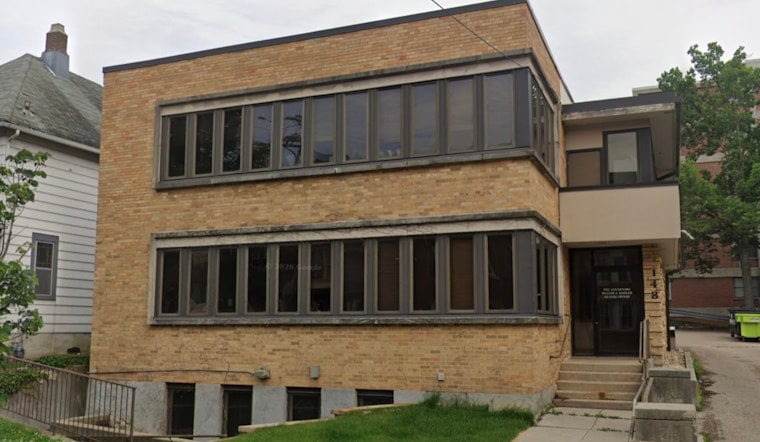
About two dozen protesters rolled up to the Wisconsin Republican Party headquarters in Madison on June 30 with a prop you do not usually see at a political rally: a decommissioned ambulance. They parked it outside the building and waved signs warning of looming cuts to BadgerCare and FoodShare. The midday demonstration was designed to spotlight what they called the human cost of H.R.1, the federal reconciliation law passed last year, and to turn up the heat on Republican gubernatorial frontrunner Tom Tiffany over his vote for the bill. Organizers said they timed the stunt to the law’s first anniversary and to draw attention to what they see as local fallout for families and rural clinics.
Madison Protest And Organizers
Indivisible and SEIU Wisconsin put the event together and hauled in the out-of-service ambulance as a visual aid, according to Wisconsin Examiner. Jean Grow, co-leader of Indivisible’s Milwaukee chapter, told the outlet the roughly two dozen attendees were there to “give voice” to people who have lost access to care. Protest leaders trained their message squarely on Rep. Tom Tiffany for his House vote on H.R.1 and cast the demonstration as the opening move in a broader, locally focused pressure campaign.
What The Law Changed
H.R.1, formally the One Big Beautiful Bill Act, was signed into law on July 4, 2025, through the budget reconciliation process, according to Congress.gov. The Congressional Budget Office estimated that the nutrition provisions alone would reduce SNAP spending by roughly 187 billion dollars over fiscal years 2025 to 2034, a figure summarized by the Congressional Research Service. Analysts at the Center on Budget and Policy Priorities have argued that the package pairs large tax cuts with program cuts that will, on balance, leave many lower-income households worse off.
Enrollment Drops And Local Warnings
Federal enrollment trackers maintained by the Georgetown University Center for Children and Families show that more than 75,000 Wisconsinites exited Medicaid in the first five months of 2026, a drop advocates say could be an early warning sign of larger coverage losses. The Georgetown CCF state-by-state tracker is the source of the figure organizers cited at the Madison press events. Sen. Tammy Baldwin and other Democrats have warned that new administrative rules and work-reporting requirements could push eligible people off coverage, a concern Baldwin repeated at a June event, as reported by the Wisconsin Examiner.
Political Stakes Ahead Of The Primaries
The Republican state convention earlier this year effectively anointed Rep. Tom Tiffany as the party’s endorsed candidate for governor, giving Democrats a clear opponent to tie to H.R.1’s cuts as campaign season ramps up. Isthmus and other outlets described Tiffany as the presumptive GOP nominee following the convention endorsement. Protesters and Democratic officials said the June 30 action was intended to cement that association well before the August nominating contests and November general election.
What’s Next For Voters And Organizers
Most of the Medicaid changes in H.R.1 are not scheduled to take effect until 2027, which local Democrats say leaves a relatively short window for advocates to press state legislators and election-year challengers. Urban Milwaukee reported that organizers are planning follow-up actions in other Wisconsin cities as the fall campaign season gets underway. The state’s partisan primary is set for August 11, 2026, the first real test of whether the protest messaging connects with voters ahead of the general election. The date appears on official election calendars, and FVAP lists the August 11 primary for Wisconsin.





