

























































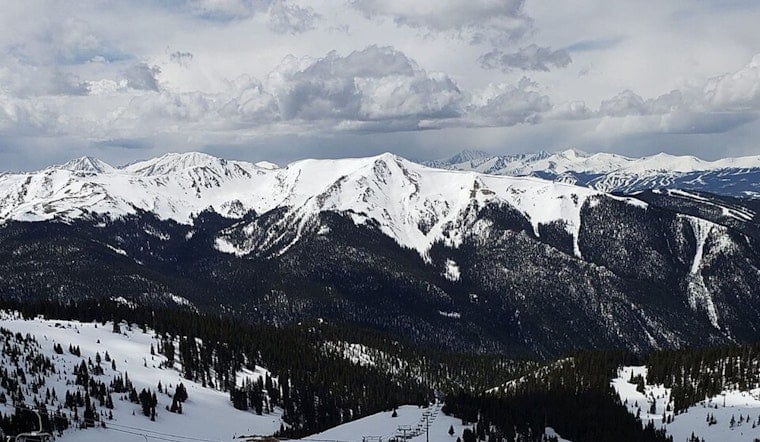
Arapahoe Basin wants to crank up the snow guns, squeeze in more cars and trigger avalanches from a safe distance, according to a fresh slate of proposals now in front of federal officials.
The ski area has filed a package that would nearly double its snowmaking footprint, add two new parking lots and install remote-controlled avalanche towers on steep terrain. The U.S. Forest Service posted a scoping document on July 24 and is taking public comments through Aug. 24. The projects are pitched as ways to make early-season terrain more reliable, improve worker safety and ease long-running parking headaches, but any actual construction would still need further environmental review and federal approvals.
What's in the scoping document
The draft, made public this week, would increase snowmaking from about 75 acres to nearly 140 acres, add roughly 4.4 miles of new snowmaking lines and rely on a 5.5-acre storage reservoir to feed the guns, according to the Denver Gazette. A 1999 environmental review that limited water diversions to 25% of stream flow is central to the plan: the scoping document says A-Basin is seeking to lift that cap to enable about 65 more acres of snowmaking.
Why the resort says it needs the changes
A-Basin frames the upgrades as a way to improve operational efficiency, employee safety and the visitor experience, language drawn from the resort’s own planning materials. The ski area’s Master Development Plan was accepted as a planning framework by the White River National Forest last year, but that acceptance does not authorize construction. Each project still requires site-specific NEPA review, according to Arapahoe Basin.
Parking has long been a pressure point at the highway-side ski area, where spots can vanish early on busy days. In 2024, A-Basin introduced paid weekend parking reservations to manage overflow and traffic, an approach covered at the time by Colorado Public Radio.
Parking, pedestrian bridge and access
The scoping document sketches two new lots - Moose Hollow and “Upper Upper Last Chance” - of about 200 spaces each, and even imagines a pedestrian bridge over U.S. 6 to connect the new Moose Hollow parking to the Last Chance lots, according to the Denver Gazette. Those additions would raise total on-site parking from roughly 1,695 spaces to about 2,095, a nearly 25% increase aimed at reducing on-highway congestion and turn-aways on powder days.
Engineers still have to sort out tricky grading and sight-distance issues for the Upper Upper Last Chance site, since it would sit above a curve on U.S. 6. How that design puzzle gets solved will likely be a key point of interest for both transportation officials and regular drivers on the pass.
Avalanche towers and the safety trade-offs
The draft also describes installing Remote Avalanche Control Systems - towers that drop explosive charges and detonate them to create an “air-blast” that triggers avalanches remotely. The Forest Service scoping material calls the systems a reliable complement to traditional hand-charged mitigation.
The estimate in the draft is about 11 towers on the East Wall and another six in Montezuma Bowl, although officials say the numbers and exact locations remain under analysis. Supporters argue that remote systems reduce risk to employees who would otherwise place hand charges directly on steep slopes. Opponents and some backcountry users are likely to press the agency on visual impacts, construction disturbance, and whether mechanized controls could change how the ski area manages its terrain.
What happens next
The current scoping period will shape the range of alternatives the Forest Service analyzes. Comments submitted during the public window are used to refine the environmental review and potential mitigation measures.
A-Basin emphasizes that acceptance of the Master Development Plan only starts the permitting path and that any single project would need separate NEPA analysis, permits and approvals before work could begin, according to Arapahoe Basin. If the Forest Service moves to an environmental assessment or an environmental impact statement, expect detailed technical studies, more agency meetings and another round of public comment before any snow guns, parking lots or avalanche towers become reality.





