

























































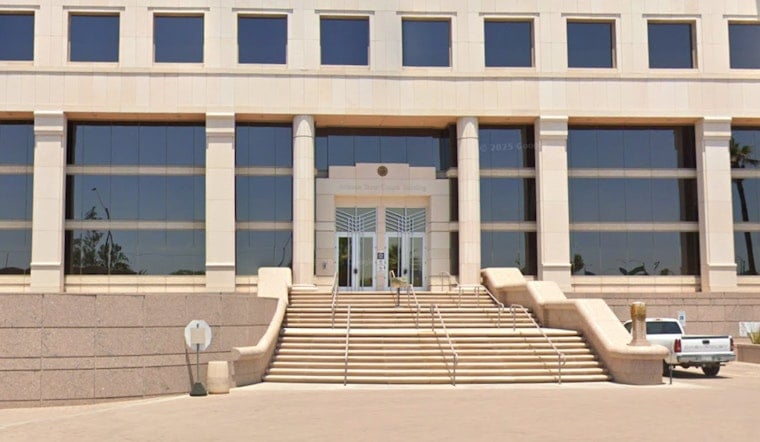
The Arizona Supreme Court has tightened the rules on when prosecutors can pry into conversations between defendants and their lawyers, especially in high-stakes Phoenix cases. In a ruling tied to a Phoenix shooting investigation, the justices said attorney-client privilege still applies to communications that mention alleged wrongdoing, as long as the dominant purpose of the exchange was to get legal advice. That clarification raises the bar for prosecutors who want to use the crime-fraud exception and could subtly shift how defense lawyers talk to clients during active investigations.
What the high court said
According to 12 News, the court made one key point clear: dual-purpose communications are still privileged if their dominant purpose was legal advice, not furthering a crime. The State had pushed for a far broader rule that would have stripped protection from any communication that, in any way, advanced criminal conduct. The justices rejected that approach and instead anchored privilege to the primary purpose of the communication.
How Arizona courts treat competing purposes
Arizona courts already look at why a communication was made before calling it privileged. Existing precedent requires a showing that the message was for the purpose of securing legal advice. The Supreme Court’s earlier framework, which demands a threshold showing before any court is allowed to invade the privilege, still carries real weight when judges confront mixed-purpose communications. Clements v. Bernini lays out the baseline rule Arizona courts rely on.
Crime-fraud exception narrowed, practically speaking
The justices did not get rid of the crime-fraud exception, but they did spell out what prosecutors have to bring to the table before a judge even looks behind the privilege. They must present specific, non-privileged facts that would give a reasonable person a good-faith basis to think an in-camera review might show the attorney-client relationship was used to promote criminal activity. That threshold, reflected in recent appellate work, nudges courts to be more careful about authorizing broad review or seizure of privileged materials. The Arizona Court of Appeals described that standard in a recent memorandum decision, available from the Arizona Court of Appeals, AXT Analytics.
What defense lawyers will change
For criminal defense teams, the ruling offers a bit more breathing room. Lawyers may now feel more comfortable telling clients that candid disclosures usually stay protected when the main goal is to get legal advice. That does not mean anything goes. Firms and commentators warn that dual-purpose communications are still delicate, because courts will examine whether nonlegal aims actually dominated the exchange. Legal analysts have long parsed how the "dominant purpose" test stacks up against stricter or looser standards in other settings, as explained by JDSupra.
Local stakes - jail calls, texts and recorded visits
The ruling hits especially close to home in Maricopa County, where repeated fights over recorded jail calls, tablet messages and monitored visits have put privilege questions in the spotlight. Arizona courts have grappled with when, if ever, inmate communications that are recorded can still be privileged. That backdrop helps explain why the high court chose to weigh in now. A 2022 overview of those disputes is collected by Prison Legal News.
Legal note
Arizona law has not changed on who has to prove what. A party claiming attorney-client privilege still carries the initial burden to show that the communication was made to obtain legal advice. Only after that prima facie showing may a court weigh whether to allow a limited in-camera review, and that happens only if the opposing party offers a solid factual basis for a crime-fraud claim. The Supreme Court’s latest clarification fine-tunes how those burdens are applied rather than overturning them. Clements v. Bernini continues to supply the controlling framework.
Read more
A plain-English rundown of the decision and the Phoenix shooting case that triggered it is available from 12 News. For those who want the full legal treatment, court documents and appellate memoranda are on the public record through the Arizona Court of Appeals and in the Supreme Court’s opinion in Clements v. Bernini.





