

























































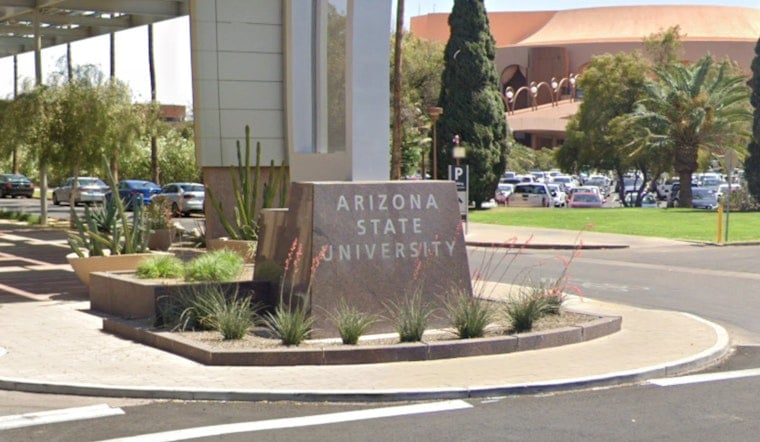
Arizona’s power grid is getting a high-tech assist from Tempe. An Arizona State University–led research team has been tapped by the U.S. Department of Energy’s Genesis Mission to build an artificial intelligence system that helps grid operators spot trouble early and figure out the smartest fixes. The work will zero in on Arizona’s conditions, but the tools are meant to be useful for operators around the country. Researchers say the system will crank through thousands of what-if scenarios at high speed so it can flag which risks matter most and which responses deliver the best reliability for the cost.
ASU Team To Build Grid Stress-Test AI
Karen Fisher‑Vanden, a Global Futures professor in ASU’s School of Sustainability, is leading the project, with co‑principal investigators from Lawrence Berkeley National Laboratory, Pacific Northwest National Laboratory, Pennsylvania State University and UC San Diego, according to ASU News. The system is being designed to rapidly assess shifting electricity demand, extreme weather and the rollout of new grid technologies so it can surface the most critical scenarios for keeping the lights on. "Arizona State University is proud to be part of this ambitious Department of Energy initiative," an ASU official said in the announcement.
Genesis Mission Backing Supercharges The Effort
The award is part of the Department of Energy’s Genesis Mission, which rolled out more than $800 million in partner commitments and its first set of funded projects at its inaugural summit, according to the Department of Energy. Local coverage highlighted that ASU’s team landed in the first wave of projects selected and that the collaboration pulls together national‑lab modeling and university engineering expertise for on‑the‑ground testing, as reported by KJZZ. DOE’s announcement notes that the partner commitments include computing power, cloud infrastructure and access to advanced models meant to speed up AI research across energy and other scientific fields.
Why Arizona’s Grid Is In The Hot Seat
Arizona’s power system is already feeling the strain from hotter summers and changing patterns in when and how people use electricity, which raises the stakes for planning tools that can move as fast as the stress does. ASU researchers have previously tested AI‑driven controls and microgrid strategies that cut demo‑site power bills and boosted performance during simulated outages, showcasing the university’s track record in turning lab work into real‑world resilience, according to ASU News. If the Genesis project pans out, utilities could lean on the new system to triage unfolding events and focus investments where they will head off the most disruptive and expensive outages.
What’s Next For The Grid AI
The research team plans to work directly with grid operators so the AI is tested on real operating conditions and delivers tools that are usable in a control room, not just in academic papers, according to KJZZ. The aim is straightforward: give operators clear, ranked options during stressful grid events instead of a wall of technical readouts. Over the coming months, the project is slated to move from model development into pilot testing with utility partners, with an eye toward rolling out tools that can work beyond Arizona once they prove themselves in the field.





