

























































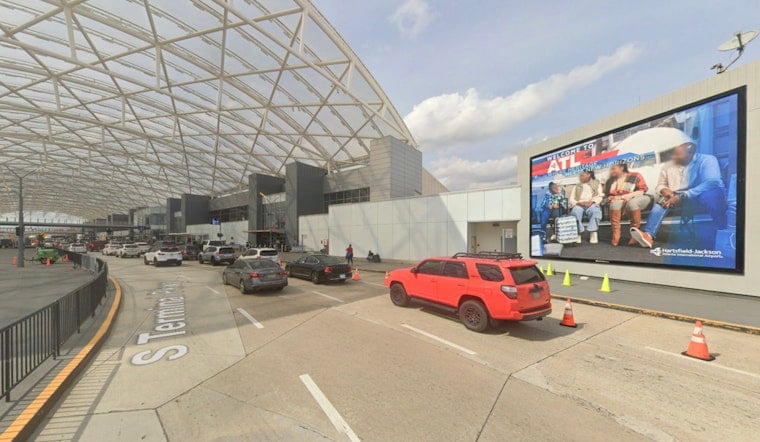
What started as a routine border check at Hartsfield-Jackson has turned into a closely watched federal test case, with an Atlanta activist now facing a felony after his phone allegedly erased itself in the middle of a Customs and Border Protection search. Prosecutors say he destroyed property to stop agents from getting to it. His lawyers say the search never should have happened in the first place and was really about his protest work.
Federal prosecutors in the Northern District of Georgia have charged Samuel Tunick with violating a statute that criminalizes destroying property to prevent its lawful seizure. They say he handed border agents a passcode that triggered a wipe on a Google Pixel running a privacy-focused operating system, according to TechCrunch. Tunick has pleaded not guilty.
How the border stop unfolded
Records and testimony show Tunick was directed into a secondary inspection at Hartsfield-Jackson after returning from an overseas trip on January 24, 2025. Court filings and courtroom testimony say agents pressed him to unlock his phone and focused their questioning on child-exploitation imagery, a line of inquiry his lawyers describe as a pretext to explore his ties to the Defend the Atlanta Forest/Stop Cop City movement, as reported by The Guardian. According to a defense motion, when Tunick finally provided a passcode, the screen went blank, flashed several times, and the phone appeared to restart. Agents then seized the device.
What the duress feature does
The software at the center of the fight is GrapheneOS, an open-source version of Android that emphasizes privacy. Project documentation describes an optional duress PIN or password that, if entered at the lock screen, wipes the device by destroying its encryption keys and stored data, including eSIMs, leaving the phone effectively unrecoverable. Prosecutors say that is precisely what happened when Tunick entered his code.
Why tech and civil-liberties groups are watching
Security researchers and privacy advocates say they have not seen prosecutors bring a case like this before, and the idea of charging someone for using a built-in privacy safeguard has rattled digital-rights circles. Experts quoted by TechCrunch called the prosecution unprecedented. The Electronic Frontier Foundation has long warned that border device searches carry unique privacy risks and maintains guides for travelers about what to expect at ports of entry. Civil-liberties advocates say that if Tunick is convicted, the outcome could discourage people from using defensive tools that journalists, organizers, and other vulnerable groups rely on to shield sensitive data.
Legal stakes
The government is proceeding under 18 U.S.C. § 2232, a federal law that makes it a crime to knowingly destroy or remove property to prevent its seizure and that carries penalties of fines or imprisonment of up to five years, according to the U.S. Code. Tunick’s attorneys have asked the court to suppress what was obtained during the stop and say agents refused to let him speak with a lawyer. A judge is expected to decide the suppression issues later this year, according to courtroom coverage.
Regardless of how the federal case ends, it is already on the radar of organizers, privacy-focused software developers, and legal groups as a possible test of how digital self-defense tools fare when they collide with border-search powers. Local TV coverage has highlighted those questions, including a segment with attorney Whitney Boan discussing the legal issues the case raises, according to Fox 35 Orlando.





