

























































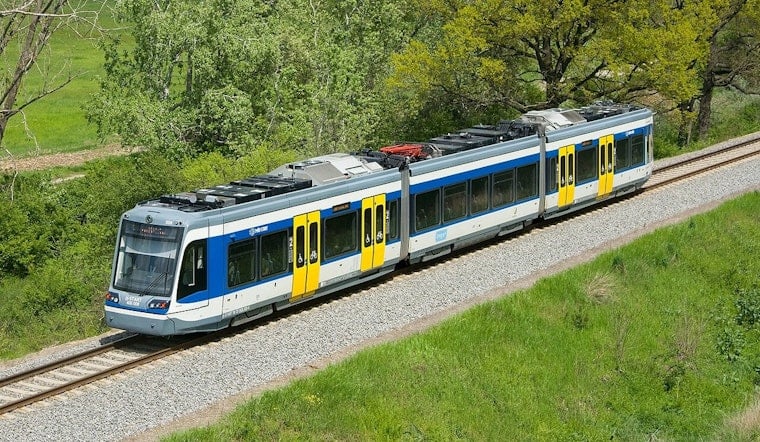
Austin's long-awaited light-rail system just took a concrete step out of the planning binder and into the real world. Austin Transit Partnership has tapped Stadler to design and supply the trains for the city's first light-rail line, a milestone the agency says keeps construction on track for next year and service targeted in the early 2030s. The initial plan calls for a roughly 10-mile starter line with 15 stops connecting downtown, the University of Texas, South Congress and Austin-Bergstrom International Airport. The vehicles will be based on Stadler's CITYLINK platform, with level boarding and full accessibility throughout the train.
ATP Signs Preliminary Vehicle Contract
On July 15 the ATP board named Stadler the highest-ranked firm and signed off on a fixed-price contract for design, manufacture, testing and delivery, approving an initial $39 million work authorization now and a total contract not to exceed $352 million, according to Austin Transit Partnership. The deal covers an initial fleet of 21 trains, with options to buy more as the network grows. ATP says getting a vehicle designer under contract this early lets them coordinate with the operations and maintenance facility during final design, instead of trying to bolt that on later. The agency also notes that the initial funds come from existing Proposition A revenue and will support community engagement along with continued vehicle design work.
What The CITYLINK Trains Will Be Like
The new trains will ride on Stadler's CITYLINK platform and are designed to carry roughly 240 passengers with a low-floor interior that allows level boarding, according to industry reporting. The CITYLINK layout emphasizes open gangways, wide doors and large windows, with flexible areas that can be used for bikes, luggage and strollers. Assembly is expected to take place at Stadler's Salt Lake City facility, according to International Railway Journal. ATP says the vehicles will include ADA-compliant zones and can be customized with community input on colors and seating layouts, so riders will have a say in how their future commute looks and feels.
Local Reaction And Expert Skepticism
Reaction on the ground is already mixed, which in Austin planning circles practically counts as a tradition. One bus rider told reporters she enjoyed riding Houston's METRORail and would welcome the same kind of convenience here. ATP procurement staff have been highlighting Stadler's track record supplying vehicles across Texas as a selling point.
Not everyone is sold on the math. Local transportation professor Dr. Kara Kockelman questioned the economics, noting that "transit in this country costs about $3 per passenger mile" and warning that per-passenger light-rail costs can be far higher than private cars, according to reporting from CBS Austin. She suggested competitive, on-demand autonomous services as an alternative that could offer more door-to-door service, a take that has stirred up debate among planners and transit advocates who see rail as a backbone, not a rival.
Next Steps And Timeline
ATP says awarding the vehicle contract keeps the project on track to break ground in 2027 and supports ongoing federal-readiness work and coordination with final design, according to Austin Transit Partnership. The Federal Transit Administration's project profile lists Austin Light Rail Phase 1 in its FY2026 report and projects revenue service in November 2033, according to the Federal Transit Administration.
Key decisions on fares, train livery and station details will come through public outreach and final design milestones, and ATP says community input will be central to that process. Watch for future board votes that will unlock later phases of procurement and construction sequencing as Austin's light rail moves from years of talk into the messy, expensive business of actually getting built.



