

























































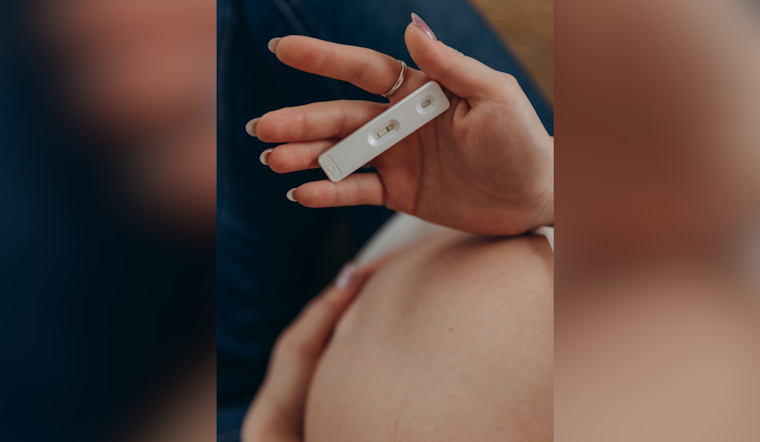
Your smartwatch or smart ring might pick up that something is up long before you do. Baltimore clinicians and a wave of recent research say wearables can capture the earliest physiological shifts that come with pregnancy, sometimes even before a home test turns positive. Subtle but consistent changes in resting heart rate, nighttime breathing, and skin temperature often show up in the data for people who wear these devices regularly. When those readings drift and stay away from your usual baseline, it can be the first hint that something has changed.
In a report published Monday, local doctors told CBS Baltimore that pregnancy triggers major cardiovascular changes, including a bump in resting heart rate, that many wearables can detect. MedStar Health cardiologist Dr. Minhal Makshood explained that these hemodynamic shifts can appear as early as five to six weeks, sometimes before people suspect they are pregnant. The clinicians stressed that device alerts are clues, not diagnoses, and should nudge users toward a pregnancy test or a conversation with a clinician, rather than self-diagnosis.
What The Studies Actually Measured
A 2024 analysis of Oura Ring data published in npj Digital Medicine tracked high-resolution biometric patterns across the full course of pregnancy in participants who wore the ring continuously. Researchers reported nightly peaks in respiratory rate, shifts in heart rate variability, and changes in distal temperature that lined up with conception, trimester transitions, and postpartum recovery. They also noted that pregnancies that ended early showed different patterns, suggesting continuous wearable data can provide earlier context than occasional clinic visits.
Large-Scale Patterns And Hormones
Scripps Research's PowerMom project has turned up similar trends in a larger and more device-diverse group and examined how wearable signals track with expected hormonal changes during pregnancy, according to Scripps Research. That work saw an early dip in heart rate around weeks five to nine that was followed by a steady increase later in pregnancy, patterns the team connected to known hormonal trajectories. PowerMom's platform combined thousands of daily biometric data points and survey responses to reveal these population-level patterns across many users.
Not A Home Test Yet
Researchers warn that consumer wearables vary a lot in their sensors and algorithms, and that the readings are not a substitute for pregnancy tests or clinical evaluation. A PubMed Central review of consumer-grade wearables highlights measurement accuracy limits and calls for device validation before clinical use, and the original pregnancy studies point to demographic and device-ownership biases in their cohorts. For now, clinicians say the most useful insight is a consistent, personal shift away from your own baseline, rather than a single odd value on a dashboard.
Data Safeguards And Next Steps
Study platforms such as PowerMom emphasize data security. The research team uses the MyDataHelps infrastructure with HIPAA-compliant storage and a Certificate of Confidentiality, according to PowerMom. At the same time, federally funded teams and university labs are working on more targeted clinical wearables, from patches that monitor placental oxygen levels to continuous fetal monitors, which will need separate regulatory review and validation before regular use, per NIH NICHD. Turning consumer wearables into regulated medical tools will depend on rigorous testing, formal device clearance, and careful privacy protections.
For now, if you see persistent shifts in your nightly respiratory rate or resting heart rate on a tracker you wear consistently, clinicians say to take a pregnancy test and check in with your provider. Wearables could become powerful early warning tools, but doctors stress they are supplements to, not replacements for, clinical care and confirmed testing, as reported by CBS Baltimore.





