

























































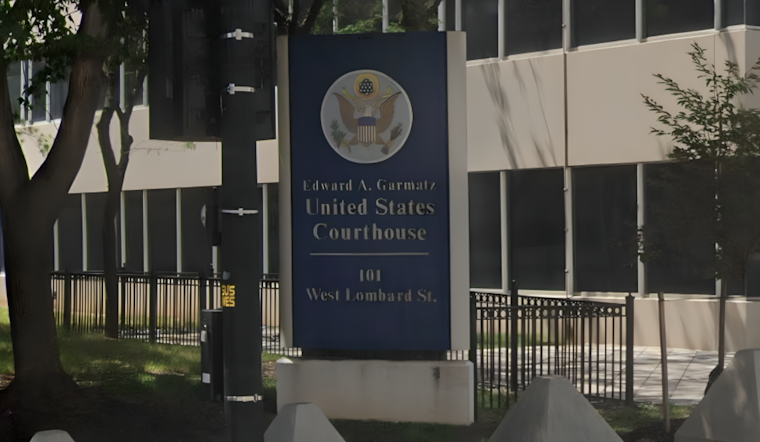
A federal jury in the U.S. District Court for Maryland has cleared former Baltimore Police detective Edward Henneman Sr. of claims that he fabricated evidence in the murder case that put Clarence Shipley Jr. in prison for 27 years. After the verdict, U.S. District Judge Stephanie A. Gallagher dismissed the remaining claims and formally closed the case on Monday. Shipley, whose conviction was vacated in 2018, had filed the civil suit in 2021, initially naming nine officers before the case went to trial with a much smaller cast of defendants.
The eight-day trial wrapped up when jurors decided Shipley had not proven by a preponderance of the evidence that Henneman falsified statements to implicate him, according to the Maryland Daily Record. Judge Gallagher then entered judgment and tossed a remaining claim against the Baltimore Police Department, explaining there had been no finding of a constitutional violation by any member of the department.
Exoneree's Long Road to Freedom
Shipley was convicted in 1992 in the Cherry Hill killing of Kevin Smith and sentenced when he was 20 years old. After a review by the Conviction Integrity Unit and nonprofit innocence organizations, prosecutors moved to vacate his conviction. A judge cleared him in December 2018, after he had served 27 years in prison, according to The Washington Post.
Lawsuit and Prior Rulings
In December 2021, Shipley filed a federal damages suit that named nine officers and the Baltimore Police Department as defendants. Over time, the case was narrowed. Court records show Judge Gallagher granted motions that trimmed the roster of defendants and resolved multiple discovery fights. Those procedural twists and turns are detailed in the docket at Justia Dockets and in a 2024 memorandum addressing discovery and partial dismissals in the litigation, as set out in a U.S. District Court opinion.
At Trial
Shipley went to trial represented by a Flowers Keller LLP team led by attorney Kobie Flowers, while the officers were defended by lawyers from Nathan & Kamionski LLP, according to the Maryland Daily Record. Judge Gallagher barred the plaintiff from using paid actors to reenact testimony from the 1992 trial, and the case played out over eight days before jurors returned their verdict.
What It Means
The jury's decision brings Shipley's bid for money damages to an end, but it does not alter the fact that his conviction was vacated. The outcome highlights how difficult it can be for exonerees to win civil lawsuits tied to investigations that are decades old, and it is likely to keep questions about police accountability and investigative practices alive in Baltimore. The city has seen a series of wrongful convictions overturned through the work of the Conviction Integrity Unit, as described by the Baltimore City State's Attorney's Office.




