

























































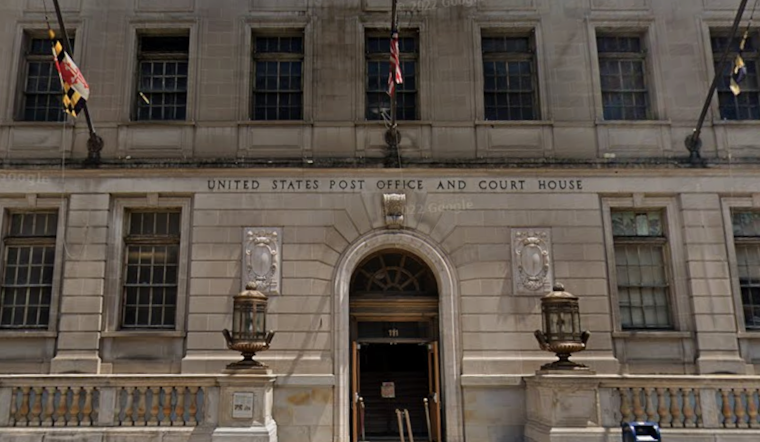
On June 23, a Baltimore judge tossed out nearly all of the Child Victims Act claims aimed at holding the city and state responsible for decades of alleged sexual abuse by Baltimore police officers. The ruling slams the brakes on efforts to secure broad institutional accountability, even as survivors retain the right to pursue cases against individual officers.
The decisions came in a group of consolidated cases in Baltimore City Circuit Court, overseen by Judge Audrey J. S. Carrion. She concluded that many of the claims against government entities were blocked under sovereign immunity rules. Lawyers for the state and the city told the court that the Baltimore Police Department counted as a state entity at some points in time and a city agency at others, an argument that helped clear the city and state from most of the suits. Both the Maryland Attorney General’s Office and a spokesperson for Mayor Brandon Scott declined to comment, according to reporting from Baltimore Beat. Claims against individual officers are still alive, and plaintiffs are weighing appeals, the outlet reported.
Why Courts Are Parsing Immunity So Closely
The legal fight centers on how Maryland’s Child Victims Act meshes with long-standing limits on when state and local governments can be sued. Lawmakers’ 2025 revisions to the statute capped noneconomic damages and tightened the rules on actions against state entities. Judges are now picking through the language to see whether revived claims fit within the law’s narrow waivers. The full text of those changes is available from the Maryland General Assembly. Courts in Baltimore had already paused similar filings during the initial flood of cases, as earlier reporting from CBS Baltimore noted.
A Case That Partly Survived
One lawsuit that made it through in part focuses on allegations that a detective raped a 16-year-old in 2006. Two years later, the officer entered an Alford plea to misconduct in office in 2008 and received a suspended sentence. Contemporary coverage detailed the role of DNA testing and the decisions made by prosecutors in resolving the case. Those details were reported at the time by the Washington Examiner.
Survivors And Lawyers Say Accountability Fight Is Not Over
For survivors and their attorneys, Judge Carrion’s dismissals are a sharp blow, but they insist the broader push for accountability is not over. “If you look at the date ranges of these cases, … there is a clear history of sexual misconduct committed by Baltimore City Police Officers against, typically, women, young women in their custody,” civil rights attorney Cary Hansel told Baltimore Beat. He and other lawyers say survivors are seriously considering appeals and are preparing to focus their energy on targeted litigation against the individual officers named in the suits.
Legal Stakes Going Forward
The judge’s order leaves a much narrower route for survivors seeking compensation. Institutional claims are mostly off the table, yet cases against specific officers can still move forward. That reality will likely push plaintiffs to rely heavily on personnel files, criminal records, and other archival material to build their cases. Any appeals will play out under the shadow of Maryland’s statutory limits on damages and strict rules about who can be sued under the Child Victims Act. Those parameters are set out in the 2025 legislation, which is posted by the Maryland General Assembly.
What Comes Next
For survivors, the June rulings underline how much can hinge on a single judge’s interpretation of a complex statute. The broader question of legal accountability for alleged sexual abuse by officers in uniform will now largely move forward one accused officer at a time. Lawyers for the plaintiffs say they are not backing down. The ongoing litigation, and any appeals that follow, could shape how Maryland applies the Child Victims Act to public agencies for years to come.





