

























































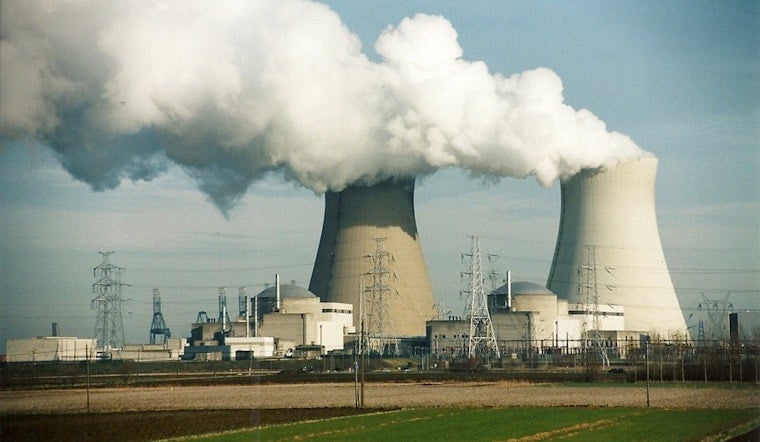
Minnesota is edging toward a fight over the future of its energy mix as local leaders float a plan to turn the Sherco coal station in Becker into a nuclear site, potentially unraveling a 32-year-old ban on new reactors. Sherburne County Commissioner Andrew Hulse and other county officials have publicly backed looking at nuclear, while state lawmakers this spring quietly tucked money into the budget for a formal statewide study. The push is framed as a way to protect jobs and tax revenue while slashing carbon emissions, but it revives decades-old battles over cost, waste and tribal consent.
Sherburne County Is Pushing The Idea
County leaders argue that Sherco’s existing high-voltage transmission lines, water supply and industrial footprint make it an obvious candidate for new power generation as its coal units wind down. As reported by FOX 9 Minneapolis-St. Paul, Commissioner Andrew Hulse has publicly discussed repurposing Sherco, and the county has joined a coalition lobbying to lift the nuclear moratorium. Supporters pitch the idea as an aggressive economic-development move that could keep the lights on without adding more fossil-fuel emissions.
State Funding And A Formal Review
This spring, lawmakers slid study language and funding into session bills, setting up a multi-year review of Minnesota’s nuclear future. A $500,000 appropriation to the Commerce Department will fund a Great Plains Institute-led analysis of whether the state should greenlight new reactors. Companion measures also instruct the Public Utilities Commission to look at both conventional nuclear plants and small modular reactors, with findings due by 2027. The details of the money and marching orders are laid out in HF 2438 and SF 4900.
Why Minnesota Has A Moratorium
Minnesota’s ban on new nuclear-powered electric plants dates back to 1994, when lawmakers approved a compromise that allowed Xcel Energy to store spent fuel at Prairie Island but barred construction of additional reactors. The prohibition remains on the books. The Legislative Reference Library tracks the law to Laws of Minnesota 1994, chapter 641 and notes that despite multiple attempts, the moratorium has never been repealed. That history, paired with unresolved questions about long-term spent-fuel storage, helps explain why tribal leaders and environmental advocates are particularly wary about reopening the nuclear debate.
What Makes Sherco A Candidate
Xcel Energy’s integrated resource plans and Public Utilities Commission orders have Sherco’s coal units on a retirement clock, with Unit 3 scheduled to shut down by 2030. That timeline leaves a massive, grid-ready industrial site and a looming gap in Becker’s tax base. The Star Tribune reports that Sherburne County officials have formally voted to study nuclear at Sherco and joined an alliance backing repeal of the moratorium. Utilities and local officials argue that Sherco’s transmission network, cooling-water access and open acreage could speed up development compared with building on a brand-new site.
Voices And Opposition
Plenty of Minnesotans are not sold on a nuclear comeback. Prairie Island Tribal Council President Grant Johnson told the Star Tribune, “We’re not against nuclear power. We’re trying to be realistic about it,” pointing to ongoing concerns about on-site spent-fuel storage and community safety. Environmental groups and some clean-energy advocates argue that new reactors remain expensive and slow to deliver, and they say those dollars might do more good if steered into renewables, energy storage and transmission upgrades instead.
Where This Fits Nationally
At the national level, the U.S. Department of Energy notes that several states have recently moved to loosen or repeal nuclear moratoriums as officials consider advanced reactor designs and federal incentives. Closer to home, a bipartisan bloc of Minnesota lawmakers argues that the state’s moratorium could scare off federal investment and complicate efforts to hit a 2040 carbon-free electricity target, according to the Minnesota Reformer.
Next Steps For The Study
With funding secured, the next chapter is a public study process that is expected to include hearings and plenty of political theater. Commissioner Hulse laid out the county’s interest on local television this month in a segment on FOX 9 All Day, and House committee records show related bills and testimony moved through the Capitol during the spring session. The Great Plains Institute review and the choices lawmakers make afterward will decide whether Minnesota simply studies its options or actually votes to scrap the 1994 ban and invite developers to pitch concrete projects.
Legal implications
Undoing the moratorium would require amending the statute adopted in 1994 and would automatically trigger detailed Public Utilities Commission siting proceedings, emergency-preparedness planning and scrutiny of waste-storage plans. The Legislative Reference Library’s guide lays out the current statutory prohibition and the series of legal and administrative steps lawmakers and regulators would have to clear before any new nuclear construction could move forward.
For now, the campaign is still in its early innings. County officials and some legislators are pressing ahead, while tribal leaders and environmental groups urge a slower, more cautious approach. The study’s findings, due in 2027, will help determine whether Sherco’s towers stay as relics of Minnesota’s coal era or become the centerpiece of a fraught new chapter in the state’s energy story.





