

























































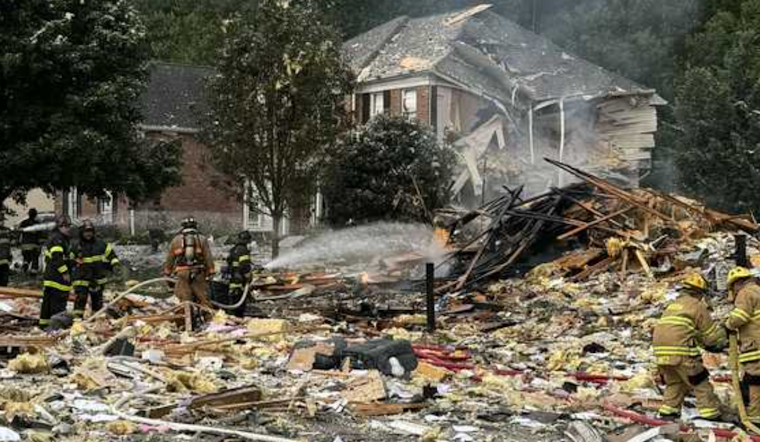
A federal review of the deadly Aug. 11, 2024, Bel Air house explosion reads like a checklist of what not to do in a gas emergency. Investigators with the NTSB say missed gas-leak calls and a tight common-trench layout for gas and electric lines helped set the stage for the blast, which leveled a home and killed two people. Case files and field testing outline a chain of warnings and physical clues that, in the agency’s view, made the disaster largely preventable.
What investigators found
According to the NTSB, the explosion tore through the single-family house at 2300 Arthurs Woods Drive at about 6:48 a.m. on Aug. 11, 2024. The homeowner and a Baltimore Gas and Electric contractor were killed, and three other people were injured. On scene, investigators say they recovered a punctured plastic gas service line along with damaged electrical cables, key pieces of physical evidence in their reconstruction of what went wrong.
Missed warnings and call-center breakdown
Public timelines and interviews show the warning signs started the night before. A passerby reported a strong smell of gas, and a BGE electrical technician later told dispatch he also detected gas but did not locate an active leak. As reported by WBAL, a county water-and-sewer worker who went to the property around 6:08 a.m. on Aug. 11 also smelled gas and tried repeatedly to contact Exelon/BGE, but could not get a responsive call-center agent on the line.
The public files describe a customer-care representative who had been pulled into an unscheduled overnight shift and later told investigators he had fallen asleep on duty after drinking the night before. During that critical period, calls went unanswered, according to the documents, while gas was building up at the home.
Trench spacing and physical evidence
Investigators with the NTSB report that the gas and electric service lines serving the property had been installed together in a common trench, with only about 3 to 15 inches of separation. On-site excavation after the blast turned up charred fragments of electrical cable and a gas service line with a hole in its bottom.
The agency notes that electrical faults can generate enough heat to burn through nearby plastic piping, a failure mechanism investigators say likely helped trigger the leak and the subsequent explosion. Subsurface gas readings were highest under the driveway and near the front of the house, according to the NTSB files, suggesting where gas accumulated before the blast.
BGE response and regulator action
BGE has told reporters that, while investigators continue their work, the utility has rolled out refresher trainings, reinforced field procedures and stepped up oversight of emergency customer calls. As reported by CBS Baltimore, the company said it appreciates the NTSB’s review and is committed to learning from the incident and improving operations.
Local coverage has also highlighted that state regulators and the Maryland Public Service Commission have increased field inspections and follow-up activity in the neighborhood, which remains under the microscope in multiple ongoing investigations.
What residents should know
For neighbors and anyone living near gas infrastructure, the guidance is straightforward: treat any smell of gas as an emergency. Officials advise people to evacuate immediately, call 911 from a safe location and notify the utility rather than trying to track down the source themselves.
Maryland occupational safety records show the contractor team involved in the Bel Air work was the subject of a post-accident inspection, a reminder that federal, state, and local reviews are still underway and that broader questions about safety practices and oversight are not yet resolved; see Maryland Occupational Safety and Health for the inspection record.





