

























































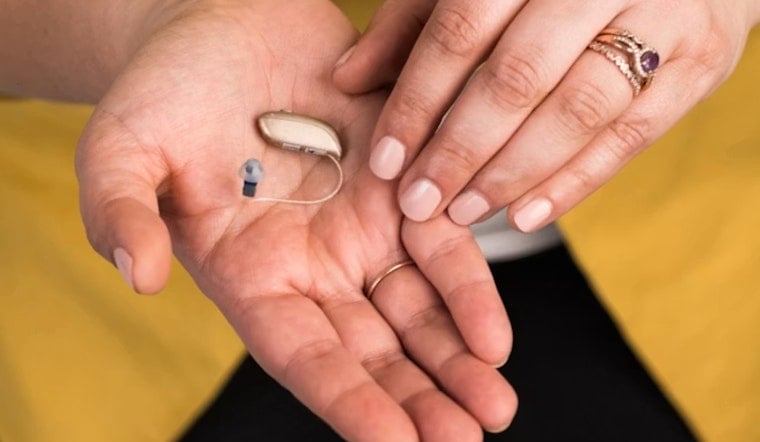
A 99-year-old woman in Birmingham says she shelled out $1,360 for new hearing aids, only to watch them disappear after a promised "upgrade" that never materialized. After months of frustration, the family turned to Local 4, and now AARP's hearing program says it will work to replace the devices and remove the provider from its network.
What the Seatons say happened
The Seaton family says they found William Robinson on AARP's UnitedHealthcare provider list and arranged for him to visit their loved one's senior living facility. According to the family, Robinson collected a private paycheck for $1,360 and delivered the hearing aids as agreed.
They say he then picked the devices up on Feb. 15 for an upgrade and never brought them back. Instead, the family says Robinson began pressing them for an additional $1,000 to $1,500 for either a higher-tier upgrade or a five-year service guarantee, and that he threatened legal action when they pushed for a refund.
AARP Hearing Solutions by UnitedHealthcare Hearing told Local 4 that it is working with the affected member and is "in the process of removing that provider from our network," as reported by ClickOnDetroit.
Family reaction and timeline
"I'd like to get the money back. I need it, don't I?" Paulette Seaton told ClickOnDetroit, describing what turned into nearly six months of calls, messages, and mounting worry before the TV station stepped in.
The family says their search for a mobile hearing provider started in December. After Robinson picked up the devices in February, they say repeated messages went unanswered until Local 4 contacted him on June 25.
AARP response and the program behind it
AARP Hearing Solutions, administered by UnitedHealthcare Hearing, says it holds its provider network to high standards and connects members with credentialed local professionals. The program's public materials state that providers are credentialed and evaluated on both quality of care and service. More details on that framework are available from AARP Hearing Solutions.
Why this matters
Advocates say the Seaton case is a stark reminder that older adults remain prime targets for high-pressure sales tactics and outright scams. Federal elder-fraud data show that reported losses by older victims have climbed into the billions in recent years, according to the FBI.
Families and senior facility staff are urged to double-check credentials, insist on written receipts and clear contracts, and report suspected financial exploitation to local law enforcement or through federal complaint portals.
For the Seatons, the priority is straightforward: get a refund and get the hearing aids back. They say they are grateful AARP stepped in, but want stronger safeguards so other seniors are not left in the same spot. Local 4 told the family it reached out to Robinson for comment; the family says his responses showed frustration but no commitment to return the money or the devices.





