

























































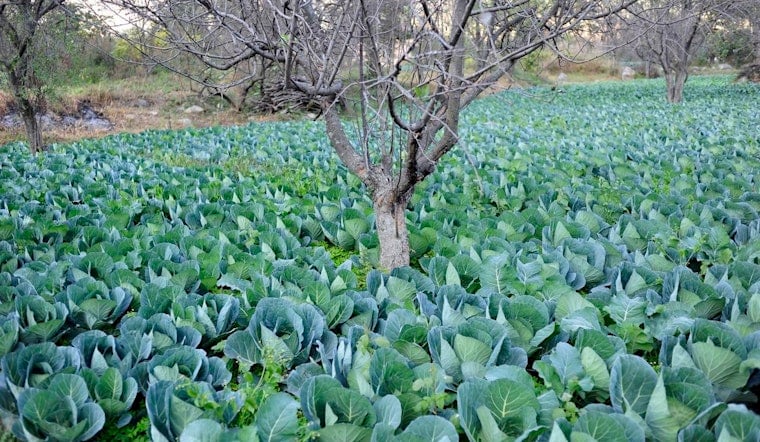
July has turned into a gut punch for southeast Wisconsin farmers, with rain clouds virtually ghosting the region and leaving fields baked and brittle. Small vegetable and forage operations that count on steady summer showers are already watching crops thin out and harvest expectations shrink compared with a typical year.
In Oak Creek, Village Farmstead co-owner Sam Odin said the damage is already clear. "It's about half the yield already that we're getting compared to what the expectation would have been." From July 1 through July 22, Milwaukee picked up just 0.16 inches of rain, a tiny fraction of what the city usually sees for that stretch. To keep plants alive, the farm has stretched irrigation cycles and resorted to hand-watering its most sensitive beds, according to CBS58.
Historic dryness in the records
State climatologists say this is not just a rough patch, it is historically dry. The Wisconsin State Climatology Office points to July 1936 as the benchmark for brutal summer dryness and notes that parts of southeast Wisconsin are now dealing with one of the fastest swings between very wet and very dry months on record. That whiplash underscores just how unusual this month’s rainfall deficit has been for the region, according to the Wisconsin State Climatology Office.
Flash drought and why it hurts crops
When stingy rainfall lines up with high heat, soil moisture can vanish in a hurry. Scientists call that a "flash drought," and the National Integrated Drought Information System notes that quick spikes in evapotranspiration, paired with dropping soil moisture, can turn a short dry spell into a serious problem for crops, especially during vulnerable stages like flowering and grain fill, as explained by NIDIS.
Recent research in Communications Earth & Environment finds that flash droughts can shave off a substantial share of yield if they hit at the wrong moment in the growing season, making the timing of rain every bit as important as the total amount that falls.
How farmers are coping
Across southeast Wisconsin, growers are firing up irrigation pumps earlier in the day, tweaking watering schedules, and walking fields constantly to figure out what can be saved and what might be a lost cause. At Village Farmstead, Odin said watering cycles are now "two to three times as long as it always is," a shift that is driving up fuel and labor costs and putting extra strain on wells, according to CBS58.
The UW–Madison Division of Extension is trying to help farmers navigate the season by offering webinars and publishing drought-response guidance through its Badger Crop Connect program. The materials aim to help producers weigh options for forage, potential feed purchases, and harvest timing as they adapt to the dry conditions, according to UW–Madison Extension.
Outlook and what to watch
Forecasters say a few scattered showers could pop up in the short term, but climatologists warn that this year’s rapid lurches between soggy and bone-dry make planning a gamble. Producers across southeast Wisconsin say they will be glued to short-range forecasts, soil moisture readings, and Extension market notices as they decide whether to lock in feed purchases, tweak crop rotations, or lean more heavily on crop insurance and conservation programs as the season grinds on.





