

























































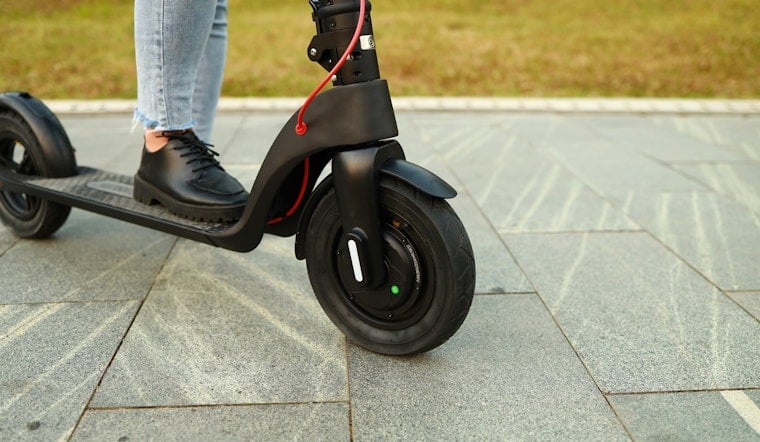
Boston emergency doctors have a blunt message for parents: e-bikes and e-scooters are more like mini-motorcycles than toys, and kids are paying the price when families forget that. ER teams say they are treating a growing number of young riders with serious injuries, including concussions, fractures, internal bleeding and growth-plate damage. Standard bike habits and basic helmets are often not cutting it, and with several high-profile crashes still fresh in Boston’s memory, physicians are calling for tighter age limits, real training and more robust protective gear.
According to The Boston Globe, Boston Children’s pediatric emergency physician Dr. Lois Lee and other ER doctors say preliminary, NIH-funded research shows injury numbers have climbed since 2022, with the steepest jump between 2024 and 2025. National data are moving in the same direction. The Consumer Product Safety Commission estimates roughly 155,200 emergency-department visits tied to e-bikes from 2017 through 2024.
Inside The ER: What Doctors Are Seeing
Clinicians describe many of these e-bike and e-scooter crashes as high-impact wrecks that can change a child’s life in a single ride. “Think of them like a motor vehicle,” Dr. Lois Lee told The Boston Globe, urging parents to treat these devices as powered machines that require judgment and training, not just enthusiasm and a helmet tossed on at the last minute.
Lee and Dr. Mollie Lebowitz also told the paper that helmets cut the risk of serious brain injury by about 80 percent and serious facial injury by about 60 percent. In their view, if a child cannot reliably show basic pedestrian and traffic skills, that child is not ready to be piloting an e-bike or e-scooter in the wild.
Lawmakers Race To Catch Up
State and local officials are trying to get ahead of the trend. Governor Maura Healey filed a “Ride Safe” bill in May that would create speed-based classes for micromobility devices and give regulators the authority to set age, helmet and registration rules, according to a press release on Mass.gov.
Local coverage notes that the proposal would be among the strictest in the country and has already drawn public comment from cycling advocates, delivery companies and safety groups, NBC Boston reports.
How Parents Can Lower The Risk
For families debating whether to buy an e-bike or e-scooter, experts are offering some clear guardrails. The American Academy of Pediatrics advises that children under 16 should not operate e-scooters and provides age-based guidance for e-bikes. The Consumer Product Safety Commission recommends that children ages 9 to 12 not operate products that travel faster than 10 mph.
Doctors say families should insist on high-quality, “all-sport” helmets, formal riding instruction, careful battery charging routines and, when it makes sense, lower-speed Class 1 e-bikes that only provide assistance while a rider is pedaling. The message from the ER is simple enough. These machines can be fun, but if kids are going to ride them, they need rules, training and gear that match the power under their feet.





