

























































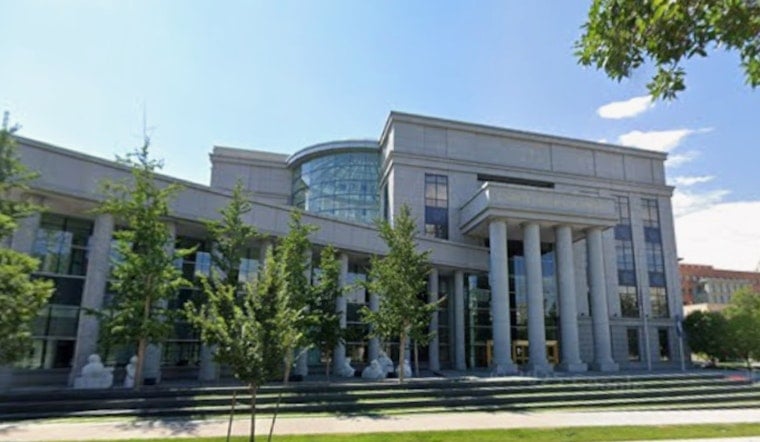
On July 16, a Colorado Court of Appeals panel unanimously threw out the felony murder convictions of David Alberto Garcia and ordered a new trial, ruling that jurors were exposed to unredacted pieces of a police interrogation that could be taken as confessions. It is the second time an appellate panel has tossed Garcia's convictions over essentially the same redaction mistake, leaving the long-running case in limbo while prosecutors decide whether to retry him. Garcia, convicted in March 2018, had been serving a life sentence.
What the appeals court found
In an opinion written by Judge Katharine E. Lum, the panel zeroed in on a short, unredacted snippet from an 85-minute interrogation that slipped in front of the jury. The segment, which included brief, out-of-context lines in which Garcia appears to say "I did it," came at the end or near the end of the day's evidence before a recess. The judges concluded that jurors could reasonably have taken those words as a confession, and that a curative instruction delivered the next morning could not unring the bell.
As reported by Colorado Politics, the court reversed the convictions in a 3 0 decision and ordered a new trial.
Case background
The killing at the center of the case took place on Nov. 24, 2016, at a Travelodge motel in Aurora. Prosecutors say Francisco Martin Talamantes was the shooter, and that Garcia's role in a burglary tied to the incident made him liable for felony murder. A jury found Garcia guilty in March 2018, and he received a life sentence.
Local coverage of the original prosecution, the crime scene at the motel, and the sentences that followed has been detailed by Denver7.
Prosecutor and defense responses
Prosecutor Christopher Gallo, who handled both the original 2018 trial and the 2023 retrial, told the court that redactions had been made to the interrogation tape. The appeals panel found that, despite those efforts, jurors still heard the problematic statements and that the trial court's later instruction to "disregard" the tape came too late to cure the damage.
Public defender John Plimpton told Colorado Politics that "an instruction, let alone a belated one, cannot undo the prejudice caused by the jury's exposure to such a statement." District Attorney Amy Padden said her office is reviewing the opinion, the case file, and the applicable law to determine its next steps.
Legal takeaway
The ruling is a sharp reminder of how closely appellate courts police what juries hear, especially when it comes to anything that sounds like a confession. It also highlights how little room trial judges have to rely on after-the-fact instructions once prejudicial statements are already in front of jurors.
For Arapahoe County prosecutors, the decision sets up a stark choice: pursue a third trial or rethink the case altogether in light of two reversals tied to the same evidentiary misstep.




