

























































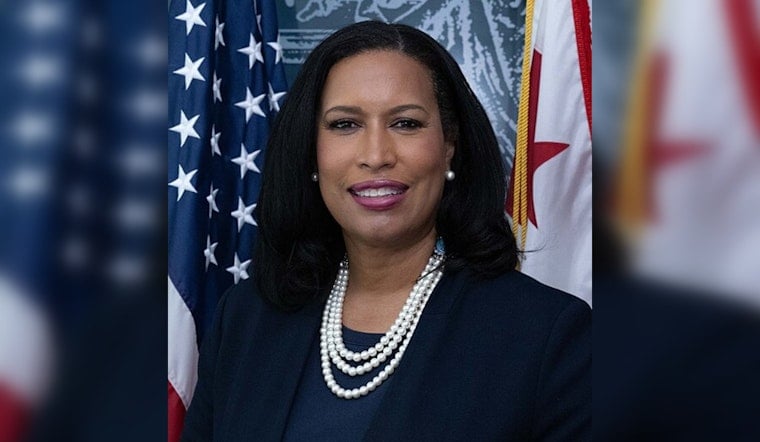
D.C. Mayor Muriel Bowser on Friday rolled out a two-bill housing package that she says is meant to keep more apartments affordable while giving housing providers clearer rules on repairs, evictions and short-term rentals. Her administration argues the measures blend tenant protections with tweaks meant to cut legal gray areas and attract more private investment into the city’s housing stock. City officials are pitching the move as a follow-up to last year’s RENTAL Act and a response to slowed multifamily construction and rising operating costs.
The package, called the Housing Investment Protection Act of 2026 and the Illegal Occupancy Enforcement Amendment Act of 2026, was announced July 10 by the mayor’s office, according to City of Washington, D.C.. National coverage of the rollout also noted the bills’ aims to expand voucher support and clarify the Tenant Opportunity to Purchase Act, as reported by CoStar.
What’s in the package
Under the Housing Investment Protection Act, the city would expand the Local Rental Supplement Program for project-based vouchers from 30% to 50% and give the District of Columbia Housing Authority more flexibility to support tenants while units are repaired. The measure would also set a 60-day hearing timeline for many eviction cases and modernize notice delivery to make outcomes more predictable for landlords and tenants, according to WTOP.
TOPA and preservation fixes
The proposal clarifies who counts as a “tenant” for first-refusal claims under TOPA, tightens transaction rules to prevent enforcement gaps and would allow the mayor to purchase newer buildings within a 15-year window on an expedited timeline to preserve affordability. Supporters say those fixes should reduce litigation risk and make preservation deals easier to finance, according to Bisnow.
Short-term stays and enforcement
The Illegal Occupancy Enforcement Amendment Act would explicitly deem short-term guests to have no lawful right to remain after their reservation ends and allow the Metropolitan Police Department to remove overstayers as trespassers. City officials say the clarification is meant to close an enforcement gap that has complicated violations in vacation rentals and hotels, per City of Washington, D.C..
Reaction and political backdrop
Developers and property managers have argued for clearer rules as the sector wrestles with higher operating costs and tighter financing, and local business coverage has framed the package as aimed at protecting multifamily investors while preserving affordable stock, according to Washington Business Journal. The rollout also arrives as Councilmember Janeese Lewis George prepares to take office after winning the June Democratic primary, a political backdrop that could shape how quickly the Council moves on the bills, per The Washington Post.
What to watch
The administration says the changes are aimed at stabilizing the market and preserving units that might otherwise fall into disrepair, but analysts caution they will not, on their own, reverse the cost and financing headwinds that have slowed affordable housing deliveries. Industry coverage and analysts raise those broader financing concerns in reports about the city’s housing market, according to Bisnow.





_(cropped).jpg)