

























































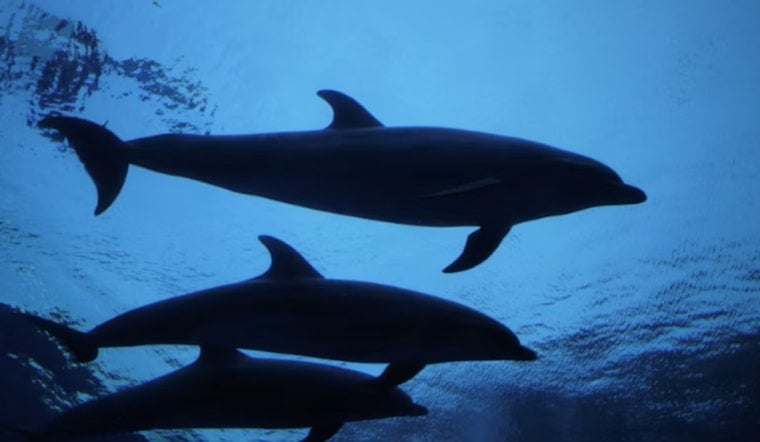
Early Monday on the Brewster flats, a pod of nearly 30 bottlenose dolphins ran out of ocean and into history, becoming what responders say is the largest known mass stranding of this species in Massachusetts. The animals were first spotted between First Light and Ellis Landing around 5:30 a.m., and crews spent the day racing the tides to push the pod back toward deeper water before the evening low.
According to Boston 25 News, rescuers from the International Fund for Animal Welfare (IFAW) arrived to find that about five to six dolphins had already died before they could intervene. The IFAW later told CBS Boston that “Our team remains in the area to monitor and herd the animals away from shore,” and responders said they were still steering dolphins off the sandbars late Monday afternoon.
Why Cape Cod Is a Stranding Hotspot
Cape Cod’s distinctive hook and dramatic tidal swings have long made its shallows a trap for highly social marine mammals. When one animal gets disoriented in the maze of sandbars, others can follow, turning a few wrong turns into a full-blown emergency. NOAA Fisheries notes that the region is a known hotspot for strandings, and local groups say dolphin incidents have been ticking up in recent seasons, forcing faster response times and more capacity on Cape.
How Responders Worked Monday
Once on scene, teams used small boats and old-fashioned human muscle to herd the pod toward deeper channels, carefully coordinating moves with the incoming and outgoing tides. Responders stayed put through the afternoon to block the dolphins from circling back into the shallows, a frustratingly common move for social species that do not like to leave their podmates behind.
CBS Boston reported that IFAW crews kept at it until the evening low tide around 5:13 p.m., while Boston 25 News noted that roughly five to six animals were already dead by the time rescuers first arrived.
What to Do if You Find a Stranded Animal
As dramatic as a beached dolphin might look in person, rescue groups stress that the worst thing bystanders can do is touch, push, or try to drag a stranded animal back to sea. That can injure both the animal and the would-be helper, and it can interfere with veterinary assessments that determine whether a dolphin can actually survive in the water.
The International Fund for Animal Welfare asks anyone who spots a stranded or distressed marine mammal to call its stranding hotline at 508-743-9548 and to report sightings through IFAW so trained teams can respond with the right equipment and medical support.



