

























































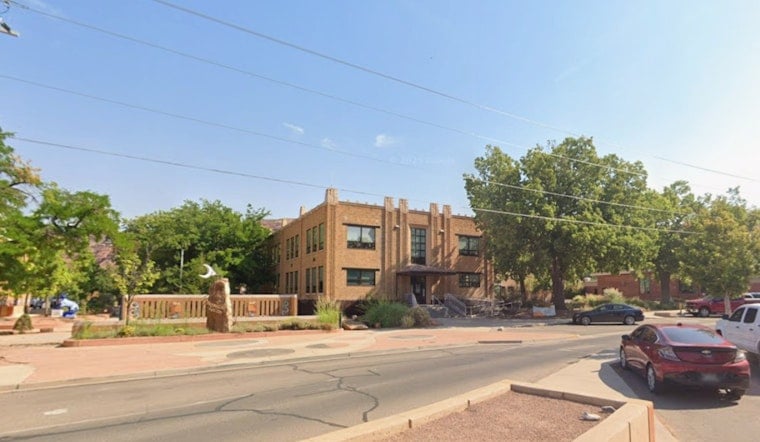
Several Moab families have taken their long-running frustrations with Mill Creek flooding to court, filing a lawsuit that claims the city’s pedestrian bridges helped turn seasonal high water into home-wrecking surges. The complaint argues that bridge structures and their approaches pinched or redirected the creek channel, which allegedly contributed to repeated breaches and erosion during seasonal storms and monsoon flows that hit houses along the corridor.
What the lawsuit alleges
According to the suit, bridge abutments and railings acted like accidental dams that caught debris and squeezed the flow, so floodwaters spilled over the banks and straight into yards and basements. Plaintiffs say the resulting property and structural damage traces back to improper design or construction and highlight several high-water events when Mill Creek “breached its channel,” language noted in reporting by The Salt Lake Tribune.
City planning and flood work
While the lawsuit targets the bridges, Moab officials are already deep into a broader rethink of the corridor. The city’s Cross Creeks Corridor study is focused on widening and stabilizing the Mill Creek channel, restoring a battered trail, and boosting the creek’s flood capacity. Officials hosted a public open house in late June to gather feedback, framing the project as both a flood-mitigation effort and a way to revive key recreation space, according to Moab City.
Flood history in the corridor
Residents are not making their claims in a vacuum. Local coverage and photos show the corridor taking a beating from major flood events in recent years, including an August 23, 2024, image that captured infrastructure nearly underwater. Plaintiffs point to that visual record as proof that the bridges did not just coexist with flooding but allegedly made some episodes worse. Coverage of the lawsuit and the photo credit to The Times‑Independent are detailed in The Salt Lake Tribune.
How the law could shape the case
The families are suing a municipality in a state where the Utah Governmental Immunity Act generally protects government entities from tort claims. There are cracks in that shield, however. The statute includes waivers for injuries linked to defective or dangerous public structures, such as bridges, and Utah courts have treated problems with bridges and culverts as a potential basis for waiving immunity. At the same time, case law carves out exceptions for natural conditions and some flood-management activities. That legal tug-of-war means plaintiffs will likely have to show the city created or knew about a dangerous condition at the bridges and failed to fix it. For background on those standards, see the discussion in Matthiesen, Wickert & Lehrer S.C. and the Utah Supreme Court’s analysis in Glaittli v. State.
What to watch next
The lawsuit lands just as Moab is scrambling for money and momentum on flood-mitigation work that could reshape the same corridor now at issue. The City Council recently committed to a 25% local match for a BRIC-funded 300 South bridge flood-mitigation project, and meeting materials show the city budgeting that share while planning moves. As the Cross Creeks effort unfolds, the case could trigger technical reviews or policy debates over how those bridges were built in the first place. The financial and planning details are laid out in the June 23 council agenda packet from Moab City.





