

























































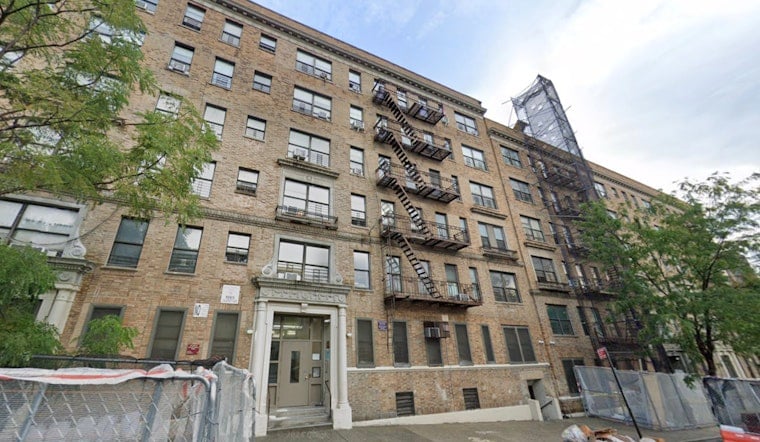
On University Avenue in Morris Heights, tenants say a leaky roof has gone from nuisance to nightmare. After years of complaints about water pouring into upper-floor apartments during storms, residents now worry the roof, or the floors beneath it, could eventually give way. They describe sagging ceilings, slick hallway floors, and patchy repair work that leaves some families too nervous to sleep soundly in their own homes.
As reported by News 12, tenants say the entire sixth floor of the University Avenue building was evacuated about a year and a half ago because of severe water damage. Remaining residents told the station that leaks have since spread down to the fifth floor, leaving visible damage on ceilings and floors. News 12 also observed contractors installing new cabinets in one unit while a water-damaged bathroom ceiling in a neighboring apartment sat untouched. The outlet said it contacted Progressive Management, which manages the building, but did not receive a response.
Former tenant Altagracia Nunez told News 12 that water once poured through her apartment "like a river," soaking the unit. One current resident, granted anonymity, said she fears the roof or the floor could ultimately give way if the leaks are not fixed at the source. Tenants say the focus has been on patching up individual apartments rather than repairing the roof they blame for the ongoing damage. "I'm very discouraged; I'm disgusted," one resident said.
A neighborhood with a recent history of collapse and enforcement
For many neighbors, the anxiety is sharpened by what happened nearby in December 2023, when part of 1915 Billingsley Terrace collapsed and displaced dozens of residents. That failure prompted a wave of city scrutiny. The Mayor's Office later announced a disciplinary agreement and other enforcement steps tied to the collapse, saying the Department of Buildings and other city agencies had been investigating and pressing landlords to make overdue repairs. Tenant advocates have pointed to Billingsley Terrace as a warning sign of how long-neglected maintenance can snowball into serious structural danger.
Where tenants can get help
New Yorkers dealing with unsafe housing conditions can file an apartment-maintenance complaint through NYC311 and request an inspection from the Department of Housing Preservation and Development to document violations and start the enforcement process. There are civil-legal options as well. The Legal Aid Society filed suit in 2024 on behalf of tenants displaced by the Billingsley Terrace collapse, seeking to force repairs and challenge the conduct of the landlord. Community groups and tenant organizers say that keeping a detailed paper trail of 311 complaints, photographs, videos, and written correspondence can make a crucial difference when city agencies or lawyers step in.
Tenants demand the roof be fixed, not just interiors
Residents say the building's recent cosmetic touchups, like new cabinets or fresh flooring, may look nice in photos but do not calm fears as long as water is still creeping in from above. One neighbor boiled it down bluntly: "Nice cabinets, nice floors, sounds nice. But my main concern is the roof." Organizers note that steady pressure from tenants, legal advocates, and elected officials has led to inspections in other Morris Heights buildings, although they add that these interventions often arrive only after months or years of repeated complaints or legal action.
Legal and enforcement angle
City agencies have the power to issue vacate orders and housing-code violations that compel landlords to make repairs, and owners who ignore unsafe conditions face the risk of fines, stronger enforcement, and civil lawsuits. The litigation over Billingsley Terrace and the city's disciplinary move against a professional engineer involved in that case show how a mix of regulatory and legal pressure can finally unlock a stalled repair process. Even so, tenants and advocates argue that the system still moves too slowly to prevent harm when serious problems like ongoing leaks are allowed to fester overhead.





