

























































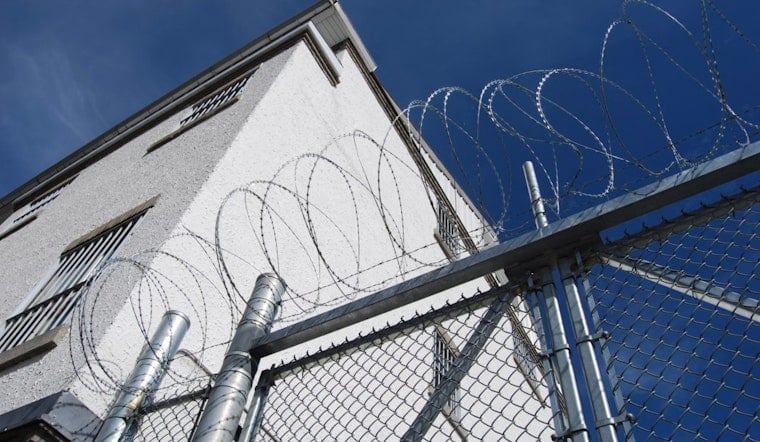
Godfrie Cole, 25, was found unresponsive on Sunday inside a solitary-confinement cell at the Metropolitan Detention Center in Sunset Park and later died at a nearby hospital. Corrections staff tried to save his life and medics rushed him out of the building, but he could not be revived. Sources told reporters investigators suspect a drug overdose, with official toxicology results still pending. The death is once again putting a harsh spotlight on medical care and contraband at the Brooklyn federal lockup.
According to the New York Daily News, the inmate was identified as Godfrie Cole, who had been held since January 2024 and, lawyers say, lived with severe and persistent mental illness. Court records cited in the paper show U.S. District Judge Paul Engelmayer found Cole not competent to stand trial in August 2024, sending him to a federal medical center in Butner, North Carolina, where he spent more than a year before returning to MDC. He was later sentenced in Manhattan federal court to four years. Jail officials tried resuscitation before emergency crews transported him to the hospital, the article notes.
Family and advocates demand answers
Speaking to the paper, Cole’s mother, Angel Cole, accused jail staff of failing her son and said, “It’s unacceptable that he had access to drugs.” Defense lawyers Siobhan Atkins and Benjamin Yaster, also quoted by the New York Daily News, argued that Cole’s death shows MDC officials “cannot be trusted to protect the health and lives of its inmate population.” Family members and advocates are now pushing for an independent review of how narcotics reach secure units and how medical care is delivered to people with serious mental-health diagnoses.
MDC Brooklyn's record draws scrutiny
Brooklyn’s federal jail has long been under fire for overcrowding, short staffing and a string of in-custody deaths, including an April incident in which an inmate was found hanging in his cell and later died, as reported in coverage of a Mexican cartel suspect dies after cell hanging. Advocates and people who have done time there describe chronic lockdowns and harsh solitary conditions that, critics argue, fuel mental-health crises and overdoses. Reporting by Solitary Watch and other outlets has documented the jail’s troubled history and repeated calls for stronger federal oversight.
Investigations and what to expect
The official cause of death will hinge on toxicology testing by the city medical examiner and on any internal review the Bureau of Prisons opens after an in-custody fatality. Federal watchdogs have previously scrutinized deaths at MDC Brooklyn; the Justice Department’s Office of Inspector General has issued formal investigations into in-custody incidents that often shape later administrative and criminal reviews. While those inquiries unfold, families commonly press for medical records and pursue administrative remedies.
Legal context
Court filings and past cases show that relatives often file administrative claims and civil suits after deaths in custody. The Federal Tort Claims Act provides one avenue for wrongful-death actions against federal agencies, and the Bureau of Prisons publishes guidance for attorneys and families seeking records (BOP attorney guide). Recent Hoodline reporting on a separate MDC lawsuit alleging ignored medical complaints highlights the kinds of legal options family members may explore while investigations move forward.





