

























































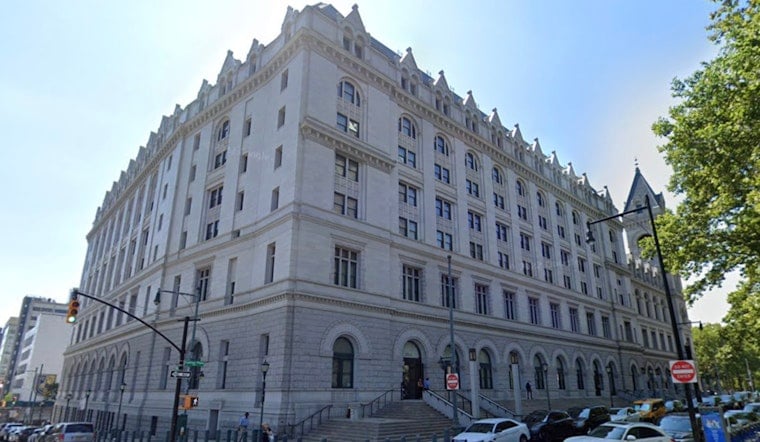
Federal prosecutors in Brooklyn say a crew of transportation operators turned New York's Medicaid ride program into their own cash machine, allegedly paying kickbacks, billing for phantom trips, and juicing reimbursement claims to steal tens of millions of taxpayer dollars. The U.S. Attorney's Office for the Eastern District of New York publicly flagged the case on Thursday and says the scheme targeted vulnerable New Yorkers who rely on non-emergency medical transportation to get to appointments and treatment.
In a post on X, the U.S. Attorney's Office for the Eastern District of New York quoted U.S. Attorney Joseph Nocella Jr., saying the defendants "turned a transportation program intended to provide vulnerable Medicaid beneficiaries with access to critical medical care into a vehicle for personal enrichment." According to the post, that alleged enrichment came from paying illegal kickbacks, billing for trips that never happened, and inflating reimbursement claims with false information. Prosecutors say complaints tied to the case were recently unsealed in Brooklyn.
Part of a coordinated national takedown
The Brooklyn case is one piece of a much larger crackdown. The Department of Justice says its 2026 National Health Care Fraud Takedown charged hundreds of defendants and targeted schemes that allegedly siphoned billions of dollars from Medicare, Medicaid, and other programs nationwide. The multi-district operation, which covered 56 federal districts, was described by the Department of Justice as a data-driven effort to spot suspicious billing patterns and quickly move on suspected fraud.
Several New York actions announced in late June included charges tied to allegedly bogus transportation claims and kickbacks, putting the fresh Brooklyn filings in a familiar lane: Medicaid ride companies accused of cashing in on services that either never happened or were padded beyond recognition.
How prosecutors say the scheme worked
Court filings and recent state enforcement announcements outline what has become a well-worn playbook. Operators allegedly paid Medicaid recipients cash or other perks to steer their ride requests to certain companies, then carved up group trips into multiple individual claims to maximize the payout. In some instances, prosecutors say, they simply billed for rides that never took place at all.
In a separate June investigation, the New York State Office of the Medicaid Inspector General said defendants billed unauthorized group rides as if they were individual trips, charged Medicaid for nonexistent journeys, and paid illegal kickbacks to patients. Authorities say those tactics closely mirror the methods alleged in the Brooklyn case. Beyond draining public funds, officials warn that this kind of fraud can leave patients stranded and missing critical appointments.
A familiar pattern in New York
New York's Medicaid transportation system has been a repeat target for fraud cases, with state and federal authorities recovering millions of dollars and bringing criminal charges against company owners and managers. New York Attorney General Letitia James announced a separate transportation-fraud takedown last year that returned more than $13 million, according to the New York Attorney General.
Local outlets have also chronicled smaller but telling cases, including a New Windsor limo company whose owners admitted to bilking Medicaid for rides that never occurred. The couple pleaded guilty in a $3.4 million scheme linked to that operation (New Windsor limo scam), illustrating how the alleged grift can stretch from city ambulettes to suburban car services.
Legal fallout and what's next
The unsealed complaints in Brooklyn are an early step in what could become a long legal fight, opening the door to indictments, civil suits, and asset forfeiture. In similar cases, prosecutors typically bring charges such as health care fraud, wire fraud, and conspiracy to pay and receive illegal kickbacks. If convicted, defendants face prison time, fines, and restitution, and the government often moves to seize cars, homes, and cash it says were bought with illicit proceeds.
EDNY has been here before. In May, a Brooklyn jury convicted a clinic manager in an $8 million fraud case that prosecutors said relied in part on cash kickbacks to ambulette drivers, another example of how transportation can be woven into larger health care scams.
Investigators say more filings and arrests could follow as federal and state auditors dig through provider payments, appointment logs, and vehicle records to see which trips actually happened. For patients and advocates, the case is another reminder that a handful of rides to the doctor can become a lucrative target if oversight slips, turning a basic lifeline into yet another opportunity for theft and lost care. Federal watchdogs say they are trying to close those gaps as part of the broader crackdown on health care fraud (HHS‑OIG).





