

























































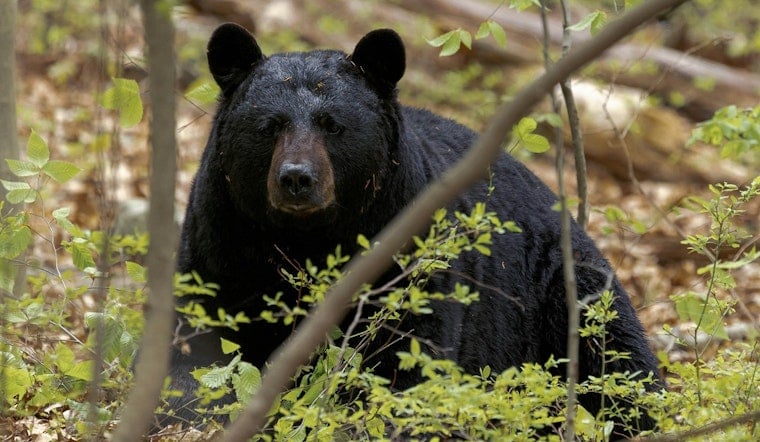
A lone black bear finally took a stroll over the I‑90 Snoqualmie Pass wildlife overcrossing on June 28, marking the first time WSDOT has captured a bear using the structure since it began monitoring the corridor. The clip, recorded on the agency’s cameras and later shared by the Washington State Department of Transportation on social media, was celebrated as a key benchmark in the project’s monitoring program. The overcrossing is one piece of the broader I‑90 Snoqualmie Pass East effort to reconnect habitat and cut down on wildlife‑vehicle collisions across the Cascades, and the sighting highlights how larger mammals are slowly warming up to the new route.
The video surfaced on Instagram in late June and gained extra attention once WSDOT shared it, according to KIRO 7. As that outlet notes, the department wrapped up its post with a hopeful line: “We’re hoping this means more visits in the future!”
How many animals have used the corridor?
State monitoring data show that the network of crossings along the I‑90 corridor has logged 38,321 total wildlife crossings and 9,390 individual animal visitors since cameras and counters were activated, according to Axios Seattle. Those numbers reflect a mix of species that have already discovered both the overpasses and the tunnels beneath the highway.
Why bears can take longer to show up
Different animals do not adopt new crossings at the same pace, and long‑running research in Banff National Park shows that cautious carnivores tend to be late to the party. Parks Canada reports that grizzly bears and other large predators often showed slow, steady increases in overpass use over the first five years of monitoring in Banff.
Why this matters for drivers and habitat
The Snoqualmie Pass overcrossing, located in the Price/Noble (Keechelus Lake) section, works alongside a series of underpasses to reduce collisions and restore habitat connections along I‑90, according to conservation partners. Conservation Northwest tracked the project’s construction and goals, noting that the structures are intended to aid elk, deer, black bears and other species while also improving safety for drivers.
WSDOT began documenting wildlife use of the Snoqualmie Pass crossings in late 2018, and officials view the bear footage as evidence that the system is working as intended, KIRO 7 reported. Agency staff and conservation groups continue to urge drivers to stay alert, stressing that the crossings are long‑term investments in both road safety and wildlife connectivity.





