

























































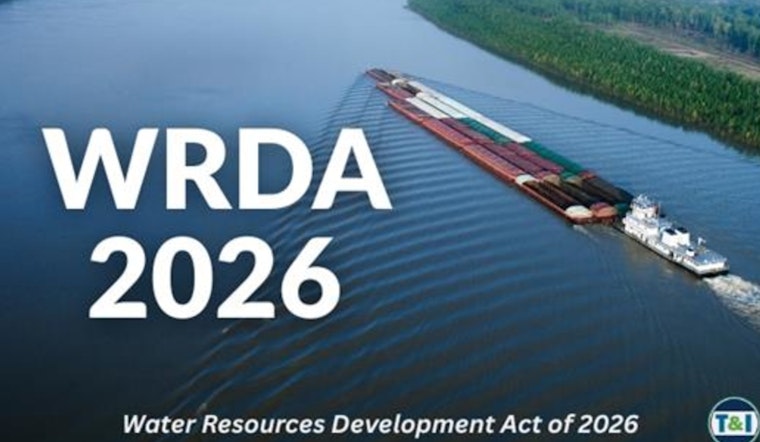
Congress just inched a major pile of water money closer to the Sacramento Valley. On July 1, the House Transportation and Infrastructure Committee signed off on an authorization to steer $155 million toward projects in the Sacramento River Basin under the Water Resources Development Act of 2026, Rep. James Gallagher announced.
The language, tucked into the broader WRDA package, aims that money at water and wastewater upgrades, habitat restoration and surface water protections. The goal: help the region ride out future droughts while keeping salmon and migrating birds from paying the price. The measure now moves to the full House, where Gallagher says he will lobby fellow members to keep the Sacramento-specific language intact.
What the WRDA text authorizes
The bill spells out a total of $155,000,000 “for water and wastewater infrastructure, including environmental restoration and surface water protection in the Sacramento River Basin.” The basin counties called out by name are Butte, Colusa, Glenn, Sacramento, Shasta, Sutter, Tehama, Yolo and Yuba, according to the House Transportation and Infrastructure Committee.
That broad description is intentional. It keeps the door open for a mix of drinking-water and wastewater work, flood and stormwater projects, and environmental restoration that can all be justified as protecting surface water and shoring up basic infrastructure.
How the money would flow
On paper, the cash would arrive through the U.S. Army Corps of Engineers’ Environmental Infrastructure program, also known as Section 219. That program helps local communities plan, design and build water-supply, treatment, wastewater and stormwater projects through cost-shared partnerships with the Corps.
There is a catch: WRDA is an authorization bill, not a checkbook. It gives the Corps permission and direction to work on certain projects, but no actual dollars move until Congress passes separate Energy and Water appropriations. As the Corps’ own WRDA materials lay out, the authorizing language is step one; funding in annual spending bills is step two.
Local reaction
Gallagher is treating the committee vote as a long-awaited opening for the region.
“The Sacramento River Basin is the foundation of California's water supply,” he said in a statement, calling federal investment in the basin overdue and arguing that the WRDA language starts to correct that imbalance.
David Guy, president of the Northern California Water Association, framed the authorization as a good fit for how the basin already tries to manage water: multiple benefits, local control, and environmental payoffs along with farm and city supplies. He called it “exactly the kind of multi-benefit, locally driven approach” the region needs.
CBS Sacramento noted that the basin “supports approximately 30 million Californians and 4 million acres of farmland” across the state, underscoring why local officials are eager to lock in the federal backing now that the authorization is on the table.
Why it matters
The stakes for getting this right were made painfully clear in the last drought. UC Davis researchers, in a 2022 analysis prepared for the Northern California Water Association, tallied steep economic damage in the Sacramento Valley alone. They found nearly $1 billion in lost economic value and thousands of affected jobs tied to the dry years, numbers that have become talking points for local leaders pushing for federal help.
The Sacramento River and its network of tributaries also deliver a large share of California’s total runoff and support millions of acres of irrigated agriculture, according to the Water Education Foundation. That makes the basin a kind of circulatory system for the state’s water, and any effort to harden it against drought and protect habitat tends to ripple far beyond the valley itself.
Next steps
With the committee box checked, WRDA 2026 now waits in line for a vote by the full House. Even if the Sacramento River Basin authorization survives that process intact, the real-world impact still depends on what happens later in the appropriations scrum.
Appropriators will have to include actual dollars for these projects in future Energy and Water spending bills before anything can move from idea to construction site. Lawmakers and local water managers say they will keep pressing both appropriators and the Corps to translate the authorization into funded, shovel-ready projects with clear timelines, a push reflected in materials from the House Transportation and Infrastructure Committee.





