

























































California is rolling out its largest state investment in special education ever, a long-awaited cash surge that could finally ease the financial squeeze on school districts in and around Sacramento. The new budget sends steady, ongoing dollars into local systems and sets up one-time funds for inclusive-practice projects and unusually high-cost student cases. Local leaders say the money should help them bring on more specialists and stabilize services that districts have been quietly subsidizing out of their general funds for years.
What the budget pays for
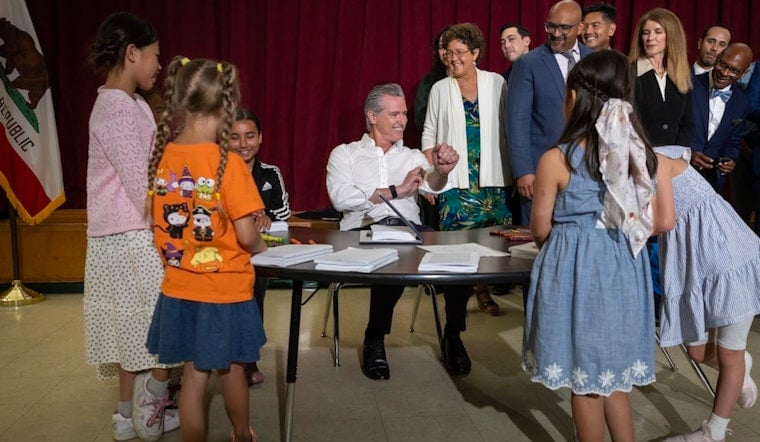
Gov. Gavin Newsom signed AB 126, the education trailer bill, adding $2.4 billion in ongoing special education funding, a 43% increase from last year, and raising the per student special education base, according to the Governor's Office. The package includes ongoing money for an extraordinary cost pool and low incidence supports, plus one time grants to expand inclusive practices and alternative diploma pathways. Lawmakers and the administration have flagged hiring reading specialists, behavioral health aides and one on one support staff as immediate priorities tied to the new funding.
Why Sacramento is watching
Districts in the region have been hammered by rising special education costs. The Sacramento City Unified School District’s contribution to special education jumped from roughly $73.6 million in 2018–19 to about $172.2 million in 2025–26, a spike that helped push the district into a serious budget hole, according to reporting from The Sacramento Bee. The Bee also notes that a recent Sacramento County grand jury criticized the treatment of students with disabilities in several local districts, one more reason the new funding is getting such close local scrutiny.
How districts say they’ll use the money
Local officials say the fresh state commitment is significant, even if it will not solve staffing shortages overnight. In a statement to ABC10, Twin Rivers Unified said the additional funding will help ensure students with disabilities receive timely assessments, services and supports they need to succeed. Districts add that they will have to recruit more credentialed special education teachers and train general education staff so that inclusive classrooms can expand where appropriate.
Federal shake up complicates the picture
The state boost is arriving just as the federal landscape gets more complicated. The U.S. Department of Education recently announced plans to transfer parts of the Office for Civil Rights to the Justice Department and shift special education oversight to Health and Human Services, a change advocates warn could splinter enforcement and technical assistance, The Washington Post reports. That shake up has coincided with canceled federal grants and a scramble by some states to replace lost technical and training funds at a time when districts are trying to respond to shifting federal support.
Legal implications
California is leading a multistate lawsuit filed June 9 that challenges the Education Department’s decision to discontinue several State Personnel Development Grants that pay for teacher training and system supports, arguing the cancellations violated federal administrative rules, according to the California Attorney General’s Office. Coverage by Courthouse News notes that the states are asking the court to reinstate the grants, a move that could influence how districts plan and staff special education programs if federal money continues to be in flux.
For Sacramento area districts, the new state funding should bring some immediate fiscal breathing room and more targeted supports, but school leaders caution that real change will take time to roll out. The governor’s materials describe both ongoing increases and one time investments, including an expanded extraordinary cost pool and grants for inclusive practice, that local special education local plan areas (SELPAs) and the California Department of Education will help distribute, according to the Governor's Office. District officials say they expect to lay out detailed local spending plans this fall as hiring and procurement processes ramp up.




