

























































Castle Rock is tapping the brakes on high-tech package drops before the drones ever get off the ground.
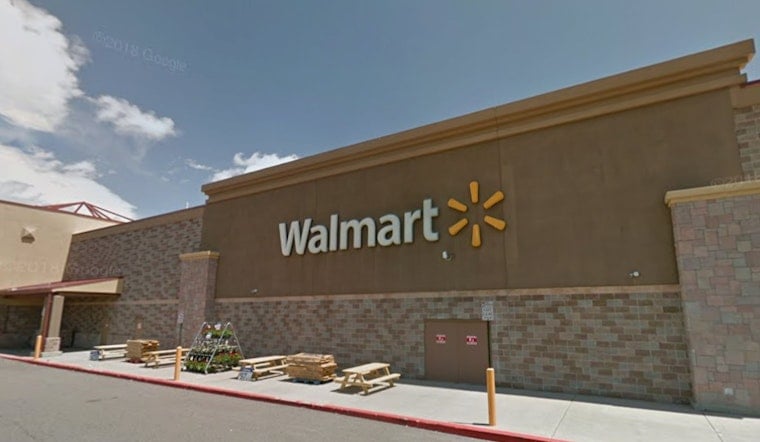
The Town Council on Tuesday told staff to draw up a temporary moratorium on drone retail delivery while officials scramble to plug holes in the zoning code triggered by a big-box pre-application. The request from the local Walmart would team the store with an autonomous drone operator to drop small packages for customers in the area around the site. Councilmembers said current development rules do not spell out how to handle retail drone operations, leaving the town unsure how to manage flights and neighborhood impacts.
As reported by the Denver Gazette, the pre-application came from Walmart for its Supercenter at 133 Sam Walton Lane and would rely on Wing-operated drones to serve roughly a five to six-mile radius. A staff memorandum noted that the Federal Aviation Administration has primary authority over flight operations, which means Castle Rock’s power sits mostly on the ground: land use elements such as launch and landing areas, site design, screening, lighting, and setbacks. Council directed staff to come back in the months ahead with a proposed ordinance that both establishes a moratorium and lays out a framework for future regulation.
Walmart’s national push to scale up drone delivery is speeding up the local review clock. Wing and Walmart announced plans this year to extend drone service to roughly 150 more stores as part of a broader rollout to hundreds of locations, according to CBS News. That expansion is making zoning and siting questions far more urgent in suburbs and small towns where launch pads would sit in store parking lots.
Staff told the council they looked at fights in other communities as cautionary tales, citing reporting from local outlets. Neighbors in Cobb County, Ga., successfully opposed zoning requests for Walmart drone hubs after raising noise and privacy concerns, and a proposed launch pad in Lincoln County, N.C., sparked petitions and public hearings. Those dustups, staff said, highlight why Castle Rock wants standards in place before any formal application lands on the counter.
How Castle Rock Could Regulate
Town staff recommended defining drone retail delivery facilities as a distinct land use and writing clear development standards and a local review process to govern approvals. That would include rules for launch pads, screening, fencing, power, and lighting, according to the staff memo. Treating drone nests and launch infrastructure like any other accessory commercial use would give planning staff leverage over where ground equipment sits and how it is designed, even though flight paths and in-flight operations remain under federal control.
Legal questions
Legally, the town is working on a two-track system: the FAA controls the national airspace and operational rules for drones, while municipalities generally hold authority over land use and site design, according to federal guidance. FAA resources explain that towns can regulate takeoff and landing sites, noise, and other on-the-ground impacts without trying to dictate aerial flight routes, a distinction Castle Rock staff now need to translate into local ordinance language.
Council’s move was procedural but firm. Staff will keep researching standards and return with a draft ordinance in the coming months, giving the town room to pause new formal applications while it builds a permitting framework. For now, Castle Rock is joining a growing list of communities trying to match fast-moving drone logistics with the slower rhythms of neighborhood life.





