

























































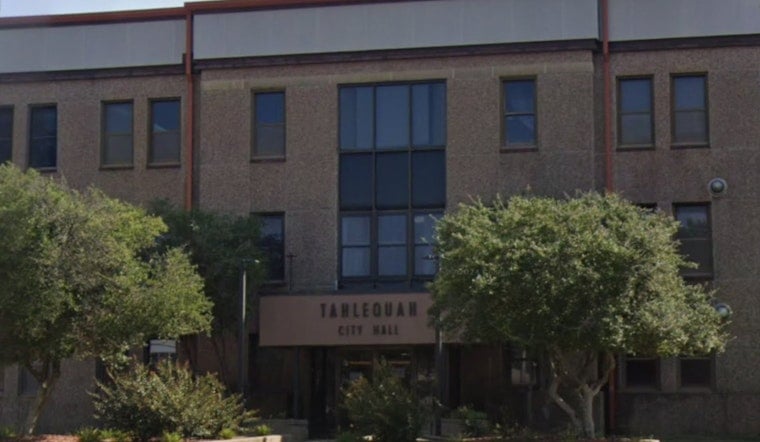
The Cherokee Nation is gearing up to open a new opioid treatment hub in Tahlequah that looks less like a sterile hospital and more like a community retreat rooted in Cherokee culture. The residential and intensive outpatient facility will weave clinical care together with Cherokee language, traditional games and gardens, with tribal citizens able to access residential treatment at no cost. Tribal leaders cast the project as part of a broader fight to slow rising opioid deaths while also protecting Cherokee language and lifeways.
The 45,000-square-foot campus is set to include about 100 inpatient beds, along with an outpatient center and follow-up supports. The building is oriented to the east and features large windows, a nearby sweat lodge, a stickball court, garden space for traditional foods and rooms for meditation and exercise, according to the AP.
Funding for the center comes from roughly $150 million the Cherokee Nation recovered through opioid settlement payouts, officials say. Nationwide, the wave of litigation has produced nearly $58 billion in settlements, with about $1.3 billion designated for tribes and Alaska Native corporations, according to the Los Angeles Times.
Leaders say the need is urgent. Cherokee Nation behavioral health staff estimate that 50 to 70 tribal citizens each month require residential treatment, and in the 14 counties that make up the Nation more than 1,000 people died of opioid-related causes between 2020 and 2024. Community members told reporters they routinely carry and use naloxone, a sign of how common overdoses have become and a key reason officials moved to create a tribally run facility with culture at the center of recovery, per KOSU.
Culture Integrated Into Treatment
Design decisions for the center grew out of listening sessions with elders and community members, and Cherokee language experts are still working to choose an official name. Tribal officials say the choice to build in space for stickball, language classes and gardens for selu, or corn, is meant to strengthen cultural identity alongside sobriety, a combination they hope will support long-term recovery, as outlined by the Los Angeles Times.
Access and Cost
The facility will be fully operated by the Cherokee Nation and will provide residential treatment to tribal citizens at no cost, officials say. It will be one of three sites on the reservation to offer intensive outpatient services and is intended to fill gaps in the tribe's continuum of care, including referrals, housing supports and aftercare, according to the AP.
Tribal leaders describe the project as an “existential effort” to safeguard Cherokee language and lifeways while giving citizens treatment anchored in Cherokee traditions rather than outsourced care. The center is expected to open next year and will be paired with outreach and prevention work throughout the Nation's service area, per The Washington Post.





