

























































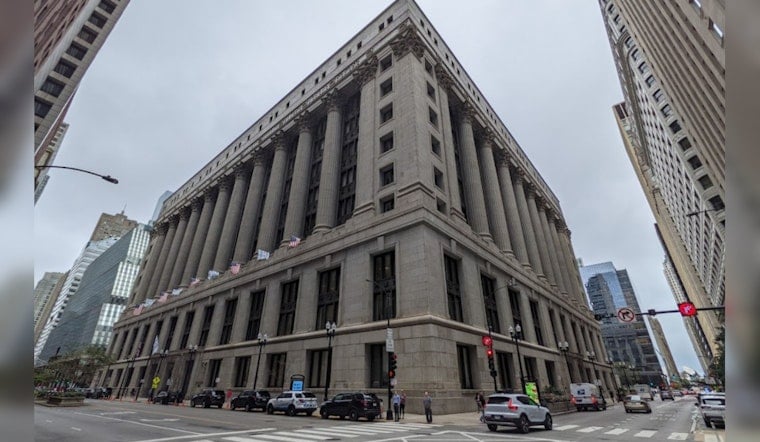
Chicago's latest move to shore up its battered pension funds is on hold. Acting Chief Financial Officer Steven Mahr told alderpeople that City Hall has postponed an extra payment into the city's four underfunded pension systems after Cook County warned that second‑installment property tax bills will land roughly two months late, tightening cash flow in the meantime. The pause covers money the city had planned to send above the legally required contributions, and it lands just as officials are polishing next year's budget forecast. City leaders say they are running a quick analysis to determine when, and how much, extra cash they can safely move into the pension accounts without forcing the funds to sell off investments early just to cover benefit checks.
County delay and a temporary backstop
Cook County officials have already signaled trouble on their end. According to a county press release, second‑installment property tax bills are expected to go out about two months late, and the county is reopening its Property Tax Bridge Fund, which offers up to $300 million in no‑interest loans to taxing districts to soften the revenue gap. County leaders have blamed lingering fallout from last year's billing backlog and an ongoing multiyear modernization of the tax system. Local governments that lean heavily on property‑tax revenue say the repeated timing hiccups have pushed them into short‑term borrowing in past years.
City Council hears the pause explained
At a City Council hearing, Mahr laid out the problem plainly. The county's delay, he said, has left the city unable to lock in the extra payment that had been penciled into the 2026 spending plan, and staff are now running the numbers to figure out the timing and size of any additional pension contribution, as reported by WTTW News. Budget officials have to be sure the pension funds can keep cutting benefit checks without dumping long‑term investments at a bad moment. The move to delay the second installment of the advance payment follows earlier steps the administration took to smooth an annual seasonal cash crunch.
Partial payment already made
The Johnson administration is not walking away from the advance entirely. It already sent a partial early pension payment of $130 million in January, leaving a remaining chunk that officials had planned to ship out later, according to reporting by the Chicago Sun‑Times. Mayoral aides told the City Council earlier this year that delayed property tax revenue from the county was a key reason they split the payment in the first place. That approach drew fire from some alderpeople, who warned it could invite another bond‑rating downgrade and make future borrowing more expensive.
How big is the gap?
The scale of the problem helps explain the drama around every pension decision. The city owes about $36.4 billion to its four employee pension funds, and the individual plans remain deeply underfunded. Police and firefighters' funds are funded at roughly one quarter of what they need, while the municipal and laborers' funds sit below 45 percent, according to figures in the city's audited financial report that were summarized by WTTW News. That shortfall is one reason recent city budgets have built in extra payments, and an estimate tied to the budget forecast shows a record‑setting pension contribution coming due in 2027 that will sharply increase near‑term funding needs. For context, public pension systems in many large cities are funded at around 70 percent on average, which leaves Chicago trailing its peers by a wide margin.
What comes next for the city and local governments
Aldermen pressed Mahr for dates and dollar amounts, and several warned about the political and fiscal optics of yet another delayed advance payment. Cook County's bridge loan program is meant to give taxing districts a short window to seek relief while the county and local governments wait for the late bills to be paid, according to the county announcement. City officials say they will juggle the need to strengthen the pension funds with the immediate cash required to keep basic services running, while critics warn that any shortfall or another round of split payments could spook credit markets and push borrowing costs higher.
Johnson administration officials have stressed that the pause is temporary, describing it as an operational response to a county timing problem rather than any retreat from the city's long‑term pension promises. They told alderpeople they will brief the Finance Committee again after the cash‑flow analysis is complete and once Cook County offers a clearer timeline for when second‑installment revenues will actually arrive.





