

























































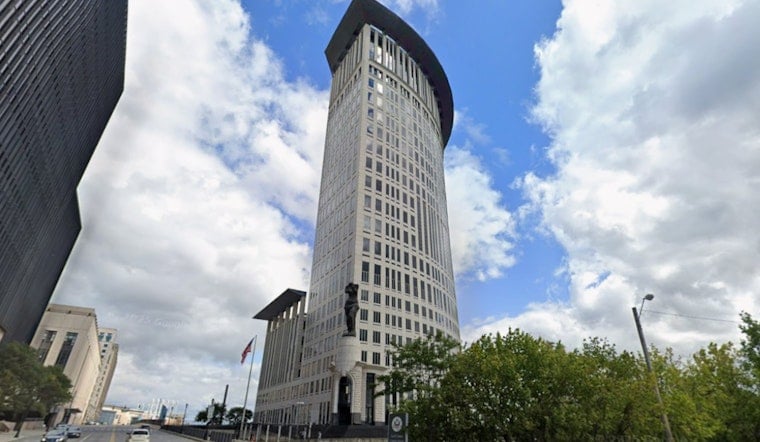
A federal judge in Cleveland is pressing prosecutors to explain how they handled restitution in a series of mortgage fraud cases, after defense lawyers alleged that money supposedly collected for victims was redirected. The order, issued in United States v. Anthony Viola, pauses any final ruling on the challenge while the government lays out the legal basis for its collection and payout practices. Defense advocates say the move amounts to the first substantive judicial review in years of restitution practices tied to prosecutions by the Cuyahoga County Mortgage Fraud Task Force.
According to Davis Vanguard, U.S. District Judge Donald C. Nugent directed the U.S. Attorney’s Office in Cleveland to file a detailed, on-the-merits response to a motion challenging its restitution collection practices by July 24, with a reply from the defense due August 7. Prosecutors had previously asked the court to toss the challenge on procedural grounds instead of addressing the allegations. Judge Nugent declined to end the dispute that way and instead ordered the government to spell out its legal authority. The court has not decided whether the complained-of practices were lawful.
The challenge was filed by attorney Kim Corral on behalf of defendant Anthony Viola and, as described in filings posted at FreeTonyViola.com, accuses prosecutors of quietly amending restitution orders years after final judgment, assigning different restitution figures to defendants who pleaded guilty to the same charges, and failing to account for identical mortgages that appeared in multiple proceedings. The motion also claims that collection methods included seizures beyond what the law allows and asks the court to confront those gaps in the accounting. The defense attached documents it identifies as disbursement ledgers and grant materials to support the allegations.
Defense materials cited in the filings assert that disbursement ledgers show funds labeled as restitution used for airline tickets, hotel stays, laptop computers, and payments to a named senior assistant attorney general, while victims listed on restitution orders did not receive payments. The filings further allege that prosecutors made materially false statements in grant applications and progress reports by describing restitution distributions at the same time that, according to the defense, the money was used for operations instead. Those allegations, Davis Vanguard reports, have not yet been met with a substantive accounting or legal rebuttal from the government, which has not filed its merits response.
Banks, settlements and double-recovery claims
The motion also points to large civil settlements involving mortgage lenders, including the Justice Department-era settlement described as a $13 billion resolution tied to JPMorgan, to argue that some institutions treated as restitution victims later recovered money in civil cases and therefore should not have been allowed to retain both forms of recovery. The defense cites the statute that requires courts to reduce restitution when a victim later receives compensatory damages in civil litigation and asks the court to explain how, if at all, the government tracked such offsets. The filings and related reporting invoke the statutory framework in 18 U.S.C. § 3664 and contemporary legal analysis on restitution procedure.
Next steps in court
Under Judge Nugent’s order, the U.S. Attorney’s Office in Cleveland must set out the legal authority for its collection and distribution practices by July 24, and Viola’s team has until August 7, to respond, according to the motion docket recounted in court coverage and filings. The directive does not on its own overturn any prior restitution orders. It does, however, require the government to meet the defense’s factual and legal arguments head-on before the judge decides whether to grant any relief. Observers note that the schedule creates a tight window for both sides to gather records and draft briefs that could influence whether courts eventually order offsets, audits, or other remedies.
Legal questions raised
The defense leans on the statutory mechanism designed to prevent double recovery: under 18 U.S.C. § 3664(j)(2), any amount paid to a victim under a restitution order must be reduced by money the victim later recovers as compensatory damages for the same loss in federal or state civil proceedings. The filings contend that prosecutors did not consistently apply that offset rule across parallel criminal and civil recoveries, and that ignoring it risks both double recovery and unlawful seizures. Those are issues the court can resolve on the merits once the government submits its substantive response.
Beyond the statutory questions, the filings revive scrutiny of grant reporting tied to a Bureau of Justice Assistance award that supported the Cuyahoga County Mortgage Fraud Task Force. Grant materials cited by the defense state that the task force reported more than $15.27 million in restitution and forfeiture orders, a figure now squarely at issue as the parties and the court examine whether victims actually received what they were owed. The documents posted by the defense and the related media coverage frame this phase of the case as the beginning of an accounting exercise that could reverberate through cases and settlements that are now decades old.
Reporting and filings referenced above are available in the defense posting and in court coverage: see FreeTonyViola.com and Davis Vanguard for the filings and the court order, background on the JPMorgan civil settlement is available from JPMorgan Chase, and the governing restitution procedures are set out at 18 U.S.C. § 3664.




