

























































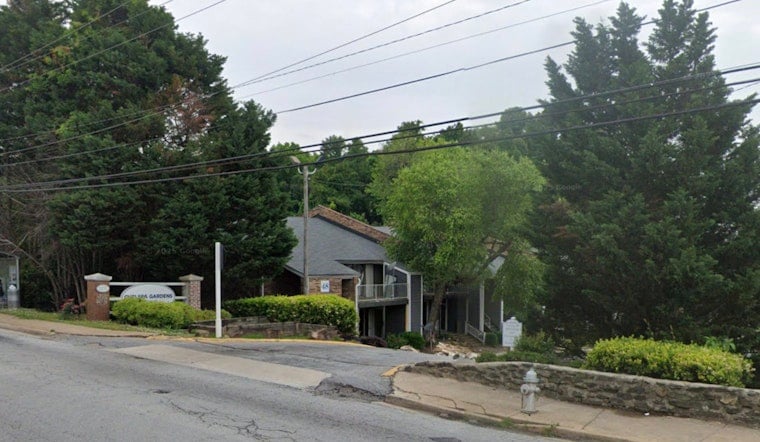
Two brothers behind a sprawling College Park apartment complex say their lender dangled long-term financing, stuck them with pricey bridge-loan payments instead, then pushed them into foreclosure so an affiliate could scoop up the property on the cheap.
The fight is over Chelsea Gardens, a 474-unit garden-style complex, and it has now landed in New York state court. Yisroel and Hanoch Cimerring accuse Arbor Realty Trust of fraud and are seeking $175 million in damages. Their lawsuit claims Arbor promised a path to permanent Fannie Mae financing, then slow-walked the process while raking in high interest on a short-term bridge loan, pressed them on repair issues, and ultimately moved to foreclose. An Arbor affiliate was the only bidder at the foreclosure auction and bought the complex for $40 million. Arbor has asked a judge to toss the complaint and says it obtained a Fannie Mae pre-approval in January 2025, according to The Real Deal.
Loan History and the Property
The Cimerrings acquired Chelsea Gardens in 2022 for nearly $45 million, closing with a $37.1 million bridge loan from an Arbor affiliate, per Bisnow. The 1970s-era complex sprawls across roughly 24 acres, with dozens of low-rise buildings tucked among the trees. As the loan approached maturity, the property was being marketed for sale. Morningstar and offering materials also flagged the debt for special servicing as the loan came under pressure, signaling that Chelsea Gardens was already on watch lists well before the courtroom drama.
Owners' Allegations: Inspections, Repairs and Rate Caps
The Cimerrings say they tried to stabilize the asset while waiting for that promised permanent financing. According to the complaint, they spent more than $350,000 on a rate cap intended to hold their interest rate at 5.75 percent for two years, pumped over $4 million into renovations, and lifted occupancy from about 50 percent to roughly 90 percent.
They allege things turned sour in late 2023, when Arbor conducted multiple on-site inspections, raised red flags over what the owners consider disputed repair issues, and then relied on a follow-up report from Velocity Consulting that downgraded the property’s condition. In a statement to The Real Deal, attorneys Terrence Oved and Darren Oved said, “This suit details defendants’ disturbing and deliberate scheme that has stripped our client of a major commercial property.”
Arbor's Response and the Wider Picture
Arbor tells a very different story. The lender says the Cimerrings mismanaged Chelsea Gardens, failed to meet their obligations, and defaulted, making the foreclosure sale lawful and justified. Arbor’s own site lists Ivan Kaufman as the company’s chairman and CEO, according to Arbor, and the firm’s reports and filings show it has been actively taking back and working through distressed loans as part of a broader workout strategy.
That posture has not gone unnoticed. Trade coverage has highlighted regulatory and investor scrutiny of Arbor’s practices, context that now looms in the background of the Cimerrings’ case, per Bisnow. The Chelsea Gardens dispute plugs directly into that wider conversation about how aggressive lenders can be when a deal starts to wobble.
Legal Implications
The lawsuit raises a familiar set of lender-versus-borrower questions: Did Arbor cross the line into fraud by the way it handled inspections, repair demands, and refinancing promises, or did the sponsors simply fall short of their contractual obligations on a troubled asset?
The Cimerrings are asking for a hefty damages award and could pursue remedies that challenge or attempt to unwind the foreclosure. Arbor, for its part, is seeking confirmation of the sale and may go after a deficiency judgment. Expect early legal skirmishes over where the case should be heard, what documents and communications get turned over, and exactly what was said and promised around the proposed Fannie Mae refinance. Those details are likely to decide whether this stays a routine workout fight or turns into a cautionary tale for borrowers and lenders across the multifamily world.





