

























































Ohio State researchers say a CRISPR‑based vaccine has fully protected animals from leishmaniasis and is now moving toward human testing, just as clinicians in Ohio and other states report a small but noticeable rise in cases. That puts a Columbus lab squarely in the middle of a public‑health story that stretches from local exam rooms to global disease programs.
Dr. Abhay Satoskar, a professor of pathology, and his team used CRISPR gene editing to remove a parasite gene and create a live‑attenuated vaccine that the university says “was 100% effective” in animal models, according to Ohio State Wexner Medical Center. The same release states that the U.S. Food and Drug Administration has cleared the candidate as an investigational new drug and that researchers are preparing for human trials. Satoskar has spent this summer talking with vaccine makers, funders and leishmaniasis experts as the team tries to turn lab results into a clinical program.
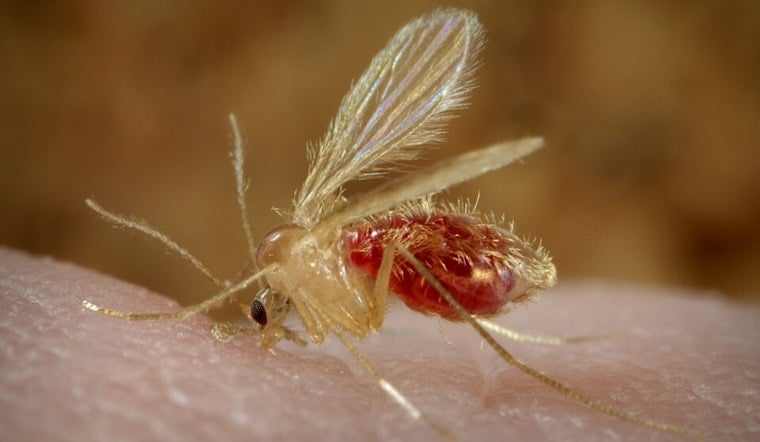
Worldwide, the disease is anything but rare. The World Health Organization estimates roughly 600,000–1,000,000 new cases of leishmaniasis a year and warns that more than a billion people live in areas where the parasite is endemic, according to the World Health Organization. Illness can range from disfiguring skin sores to visceral disease that can be fatal if untreated, and WHO notes that environmental change, including deforestation and climate shifts, is reshaping sand‑fly habitat.
Local Cases And Why Doctors Are Watching
On the ground in Ohio, clinicians say they are seeing more patients with unexplained, slow‑healing skin ulcers and related symptoms. Reporting in Cleveland indicated that Ohio State handled an average of two to four cases per year in the past two years, up from roughly one per year previously. That bump matches scientific reviews that have documented pockets of autochthonous transmission in parts of the U.S., especially in states near the Mexico border where competent sand‑fly vectors are present. As reported by Cleveland.com, clinicians are urging greater awareness and more testing when lesions do not behave as expected.
How The Vaccine Works
The Ohio State candidate is a live‑attenuated Leishmania parasite that has been engineered with CRISPR to remove a gene essential for the parasite’s survival in internal tissues. The idea is to mimic the protection seen after natural infection while avoiding actual disease. That strategy builds on peer‑reviewed work showing that marker‑free, centrin‑deficient Leishmania strains can protect animals in sand‑fly challenge models, with the technical details laid out in a published study in Nature Communications (PMC).
What To Watch For And How To Protect Yourself
Cutaneous leishmaniasis typically appears as one or more painless skin sores that may grow, ulcerate, or simply refuse to heal over time. Visceral disease, which involves internal organs, can cause fever, weight loss, and an enlarged spleen or liver in more severe cases. Until any vaccine is widely available, preventing sand‑fly bites remains the most practical defense. Public‑health guidance recommends using EPA‑registered insect repellents, wearing long sleeves and pants at dusk, and relying on screens or bed nets where sand flies are common. Clinical guidance and testing resources are available from public‑health agencies such as the CDC.
What’s Next: Trials, Funding And Timeline
Ohio State says the team plans its first human trials in Brazil and Kenya and intends to add a U.S. trial site once the program secures manufacturing partners, with early support from global health funders already committed. The university’s release names the Global Health Innovative Technology Fund and the Wellcome Trust among supporters and notes that the FDA has authorized investigational use so clinical testing can begin, according to Ohio State Wexner Medical Center.
In the meantime, doctors say the marching orders are simple, if not glamorous: put leishmaniasis on the list when skin lesions do not behave as expected, and report suspected cases to state health departments for species identification and follow‑up. If the vaccine clears the hurdles ahead, it could eventually shift the conversation from treating rare or imported infections toward preventing a disease that is quietly moving into new territory.





